Leveraging motion to slash cancellation rates and build design culture
Q4 2024
10 min read
Acquisition exploded, and so did churn
Same content, different design. Through deep user research and critique of existing experiences, I crafted an unsubscription journey that's personalised to the user's ordering behaviour.
👋🏻
Design Lead
⬆️
€18m yearly GMV uplift
🚀
Introduced new motion design practices
⬇️
12pp decease in subscriber churn

4 out of 10 subscribers leave every month
Despite hitting record growth rates, the total net subscribers struggled to sustain the dramatic increase.
Data painted the full picture: we were losing 40% of our subscribers every month on average. The churn rate has since become alarmingly high, risking the efforts of the rebrand.
However, it’s not that the team rested on their laurels after the rebrand. More work went into creating better retention experiences as a proactive response. So, why was this the case?
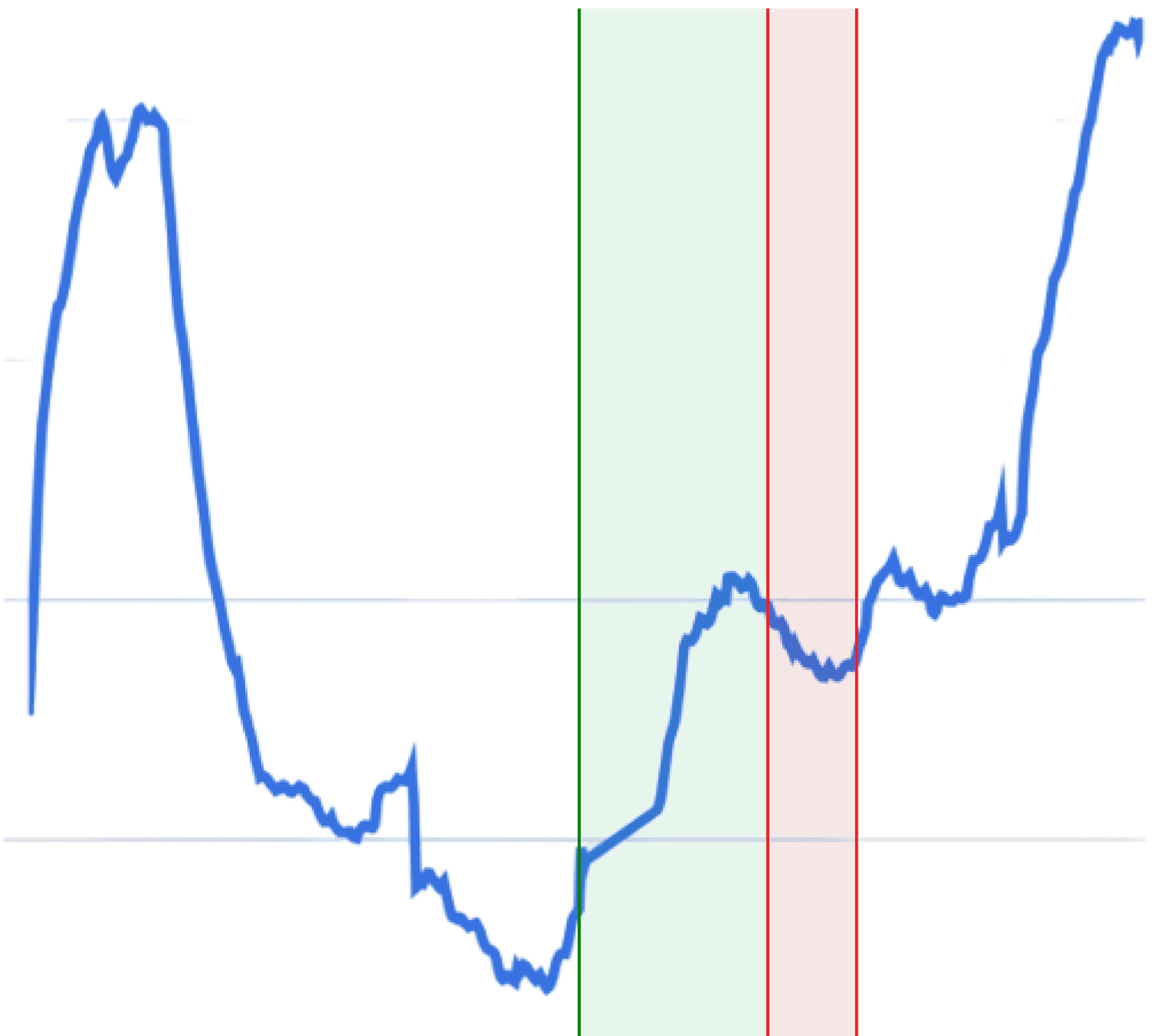
Post-rebrand, churn rate continued to rise to 40% until it became unsustainable, resulting in a net decline in subscribers after 3 months.
I observed data patterns and noticed a few concerning trends.
Finding the root
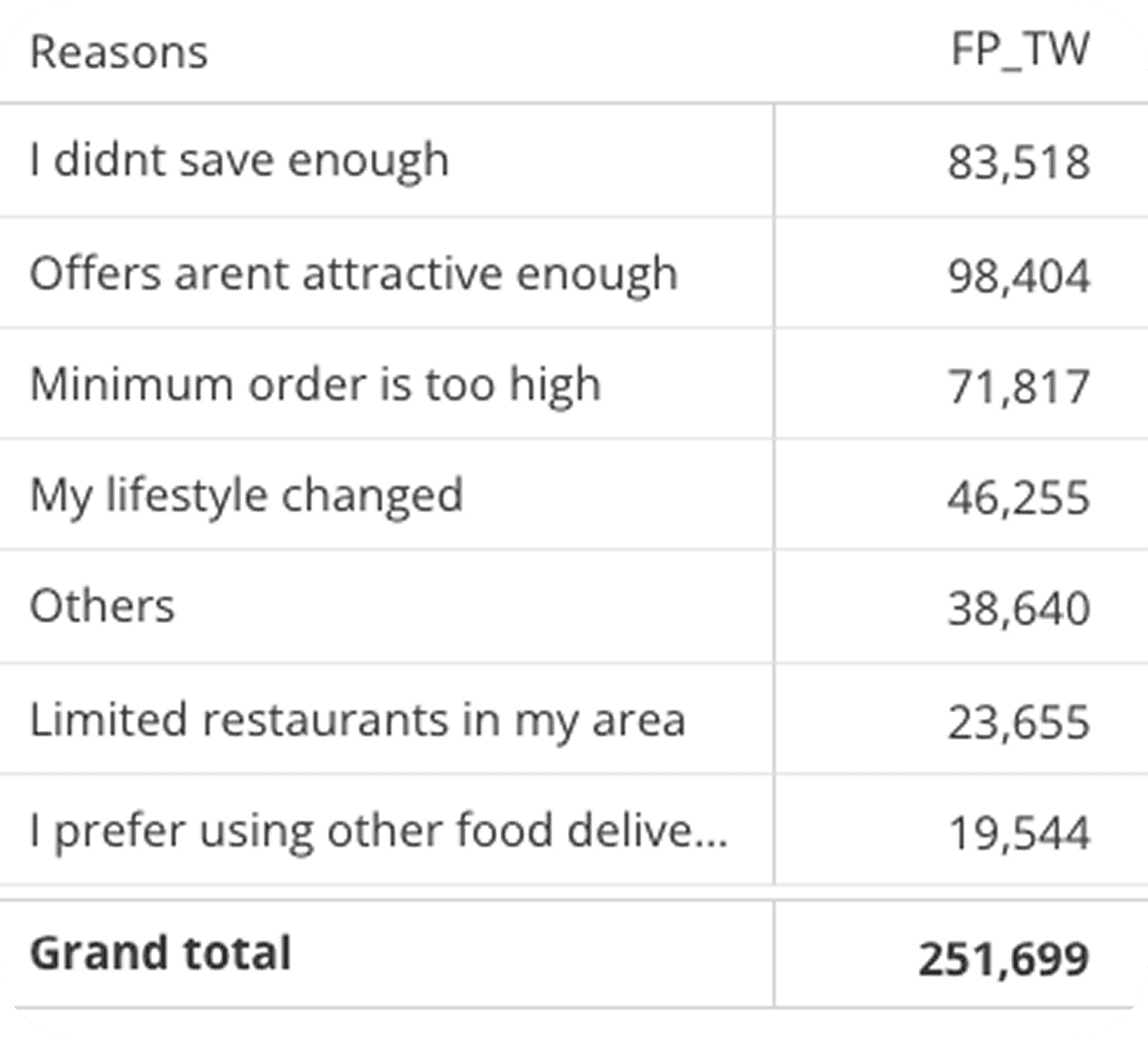
“Why are these users cancelling?” was my guiding question.
Past user studies corroborated the reasons here: apart from lifestyle or preference reasons, most users were dissatisfied due to poor value perception or discount accessibility.
Prioritising what’s possible now
Discount accessibility meant long collaborations over P&Ls, deal structures, incentivisation. Hence, I focused on value perception.
📖
Discount accessibility
The availability and ease of use, both real and perceived
📖
Value perception
The perception and generalised feelings towards the realisation of benefits which has resulted in emotional, financial, and physical gain
What does “value” actually mean?
This isn’t a Netflix subscription: users subscribe to pandapro or foodora pro to get more discounts and deals, thereby saving their order.
Hence, that means financial value helps users determine if they will keep their subscription or not.
Across the app, subscribers are shown various financial values: namely, the savings they've made from the subscription.
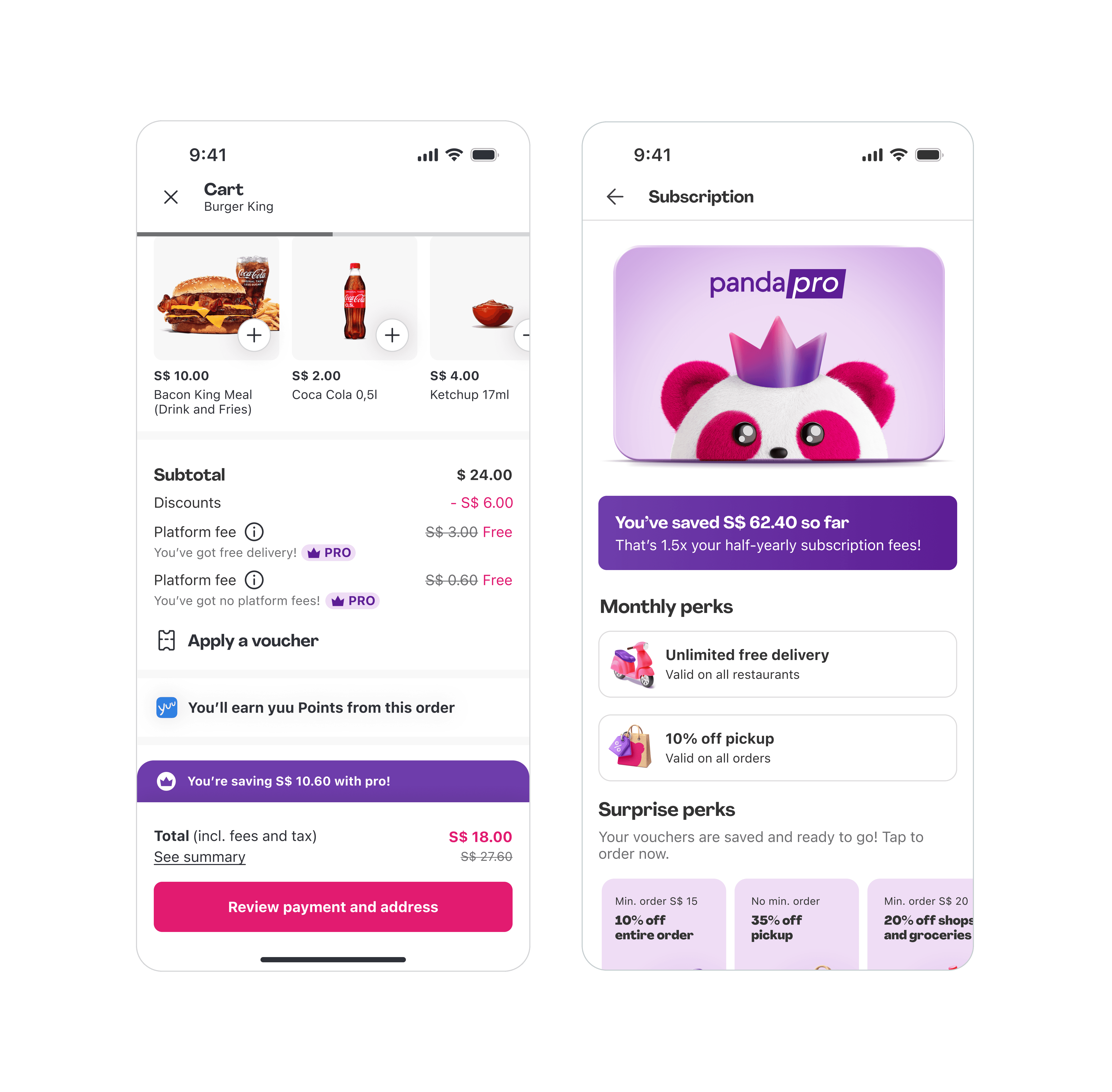
Savings are how users can infer the value of the subscription plan to them. Largely, they have little effect on unsubscription in the long run.
Prioritising unsubscription
The team prioritised the unsubscription flow:
Bringing the emotional into the economical
Money means differently to people, and for subscribers it’s about saving them for other things in life.
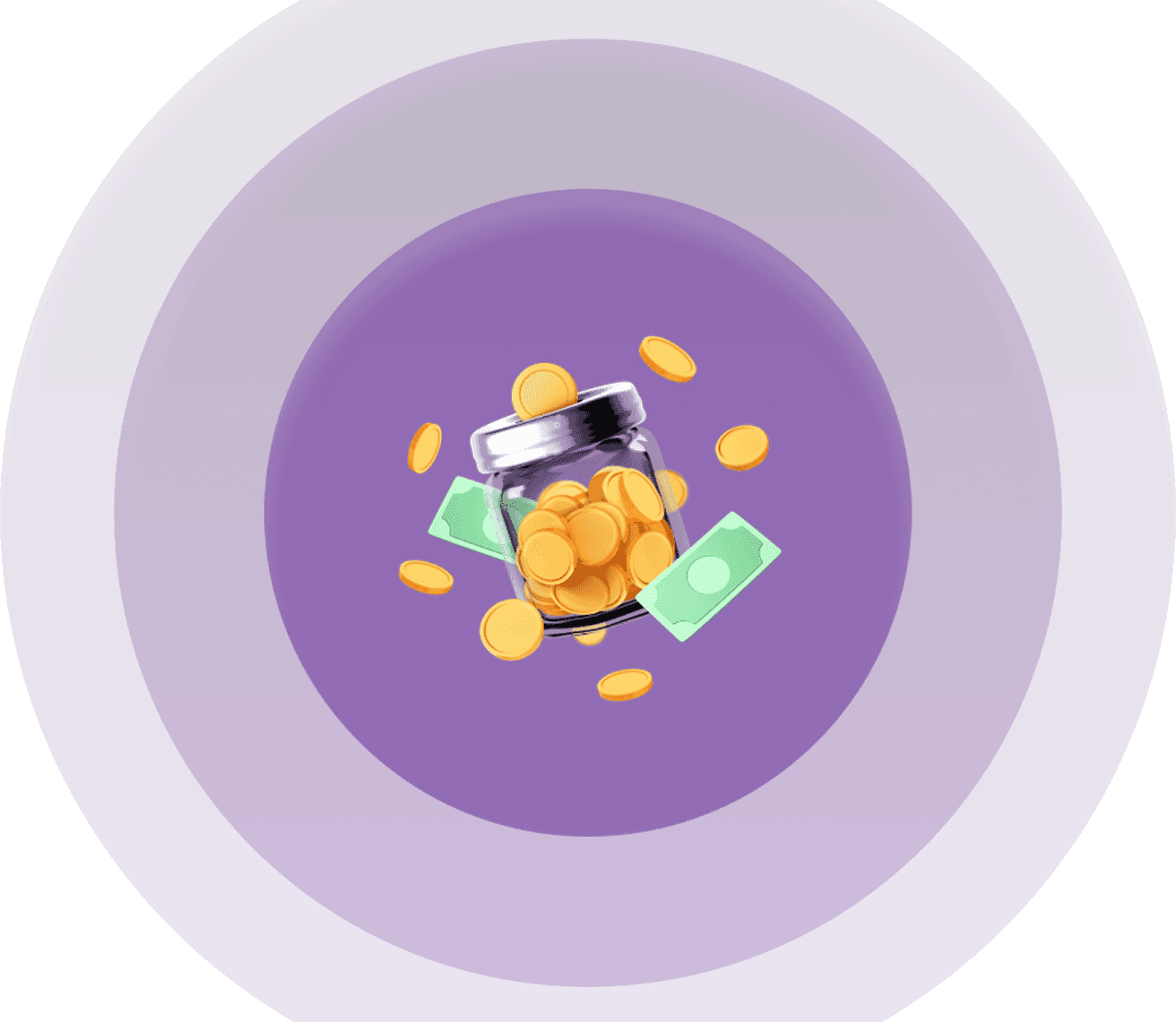
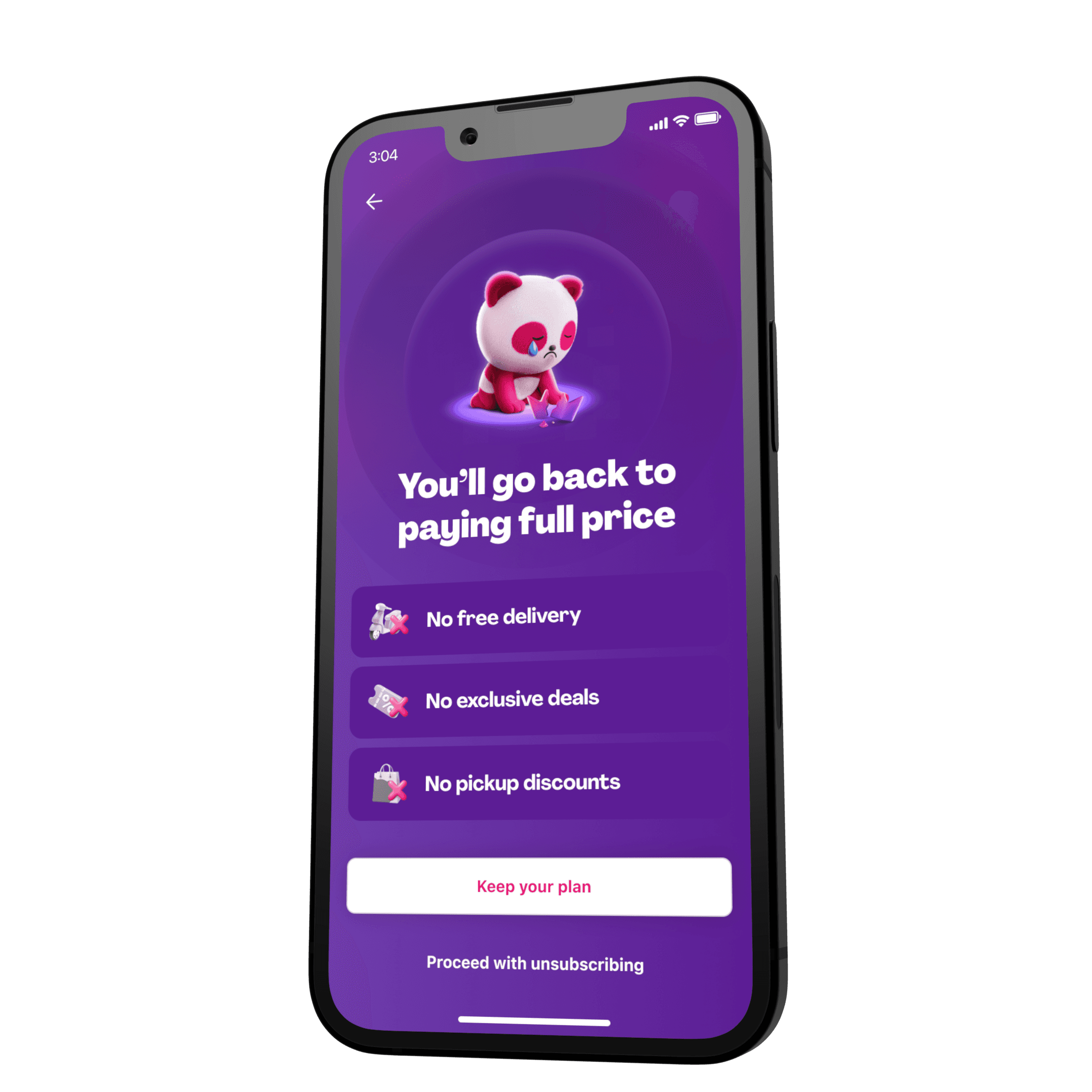
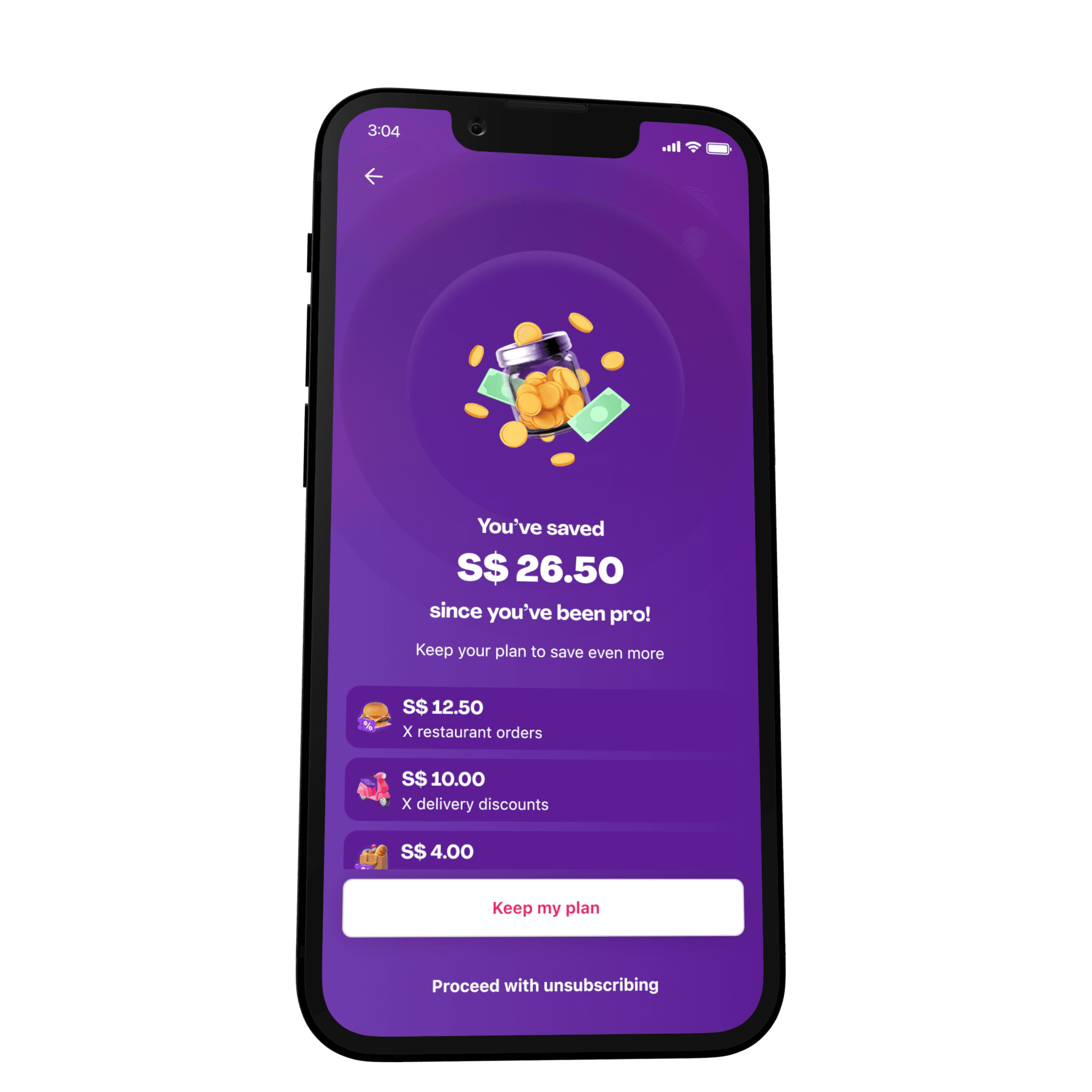
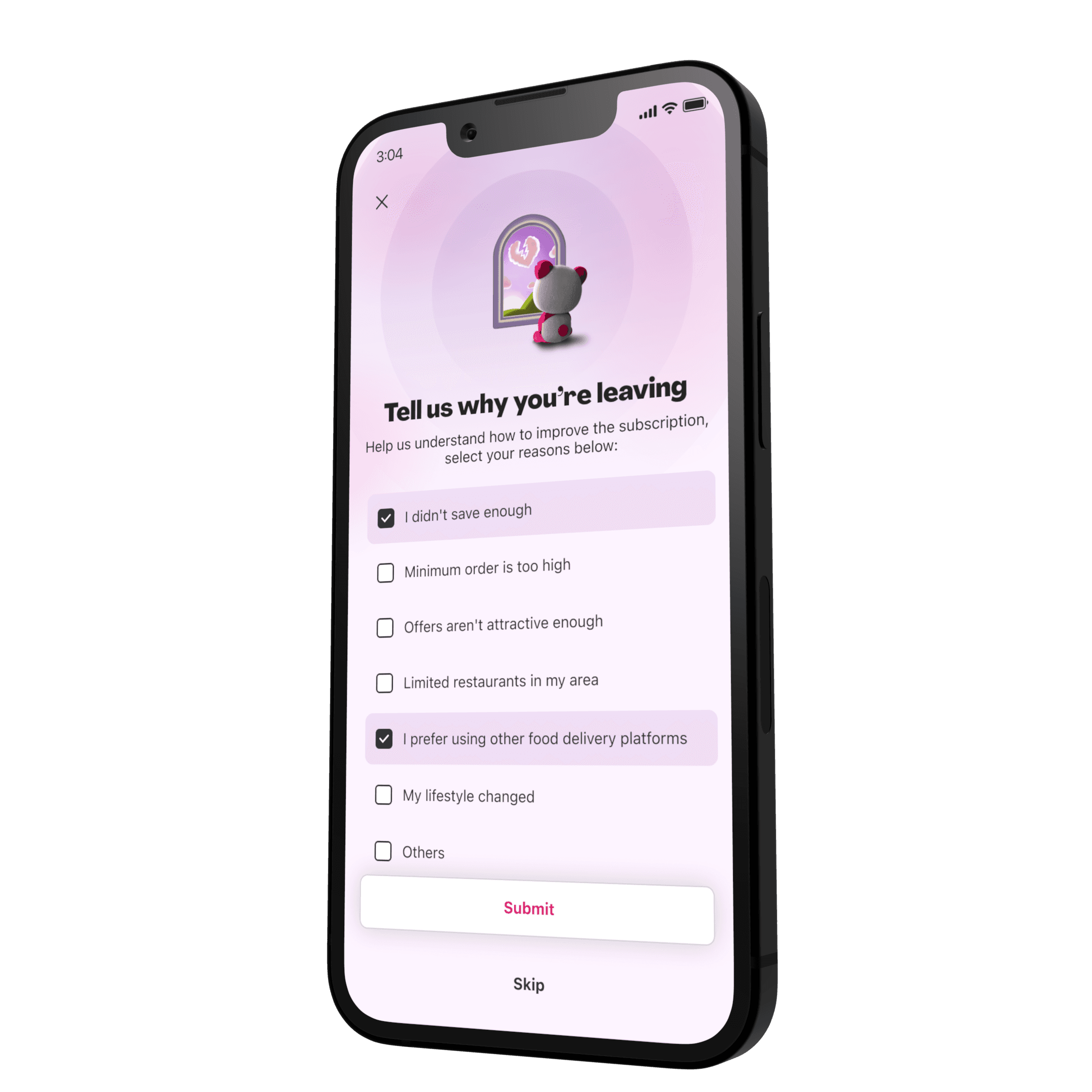
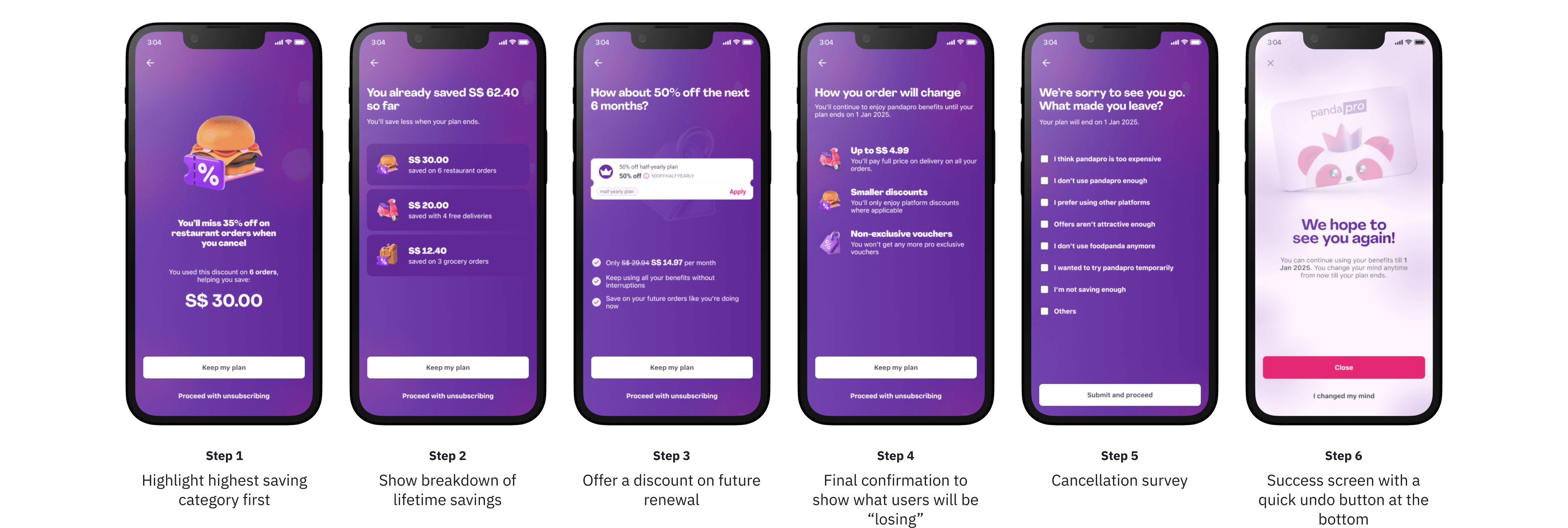
Using visuals to emphasise relevant savings content, subscribers can now see what their subscription means to them clearly and effectively. For the loyal ones, there’s an incentive to change their minds.


Today’s state
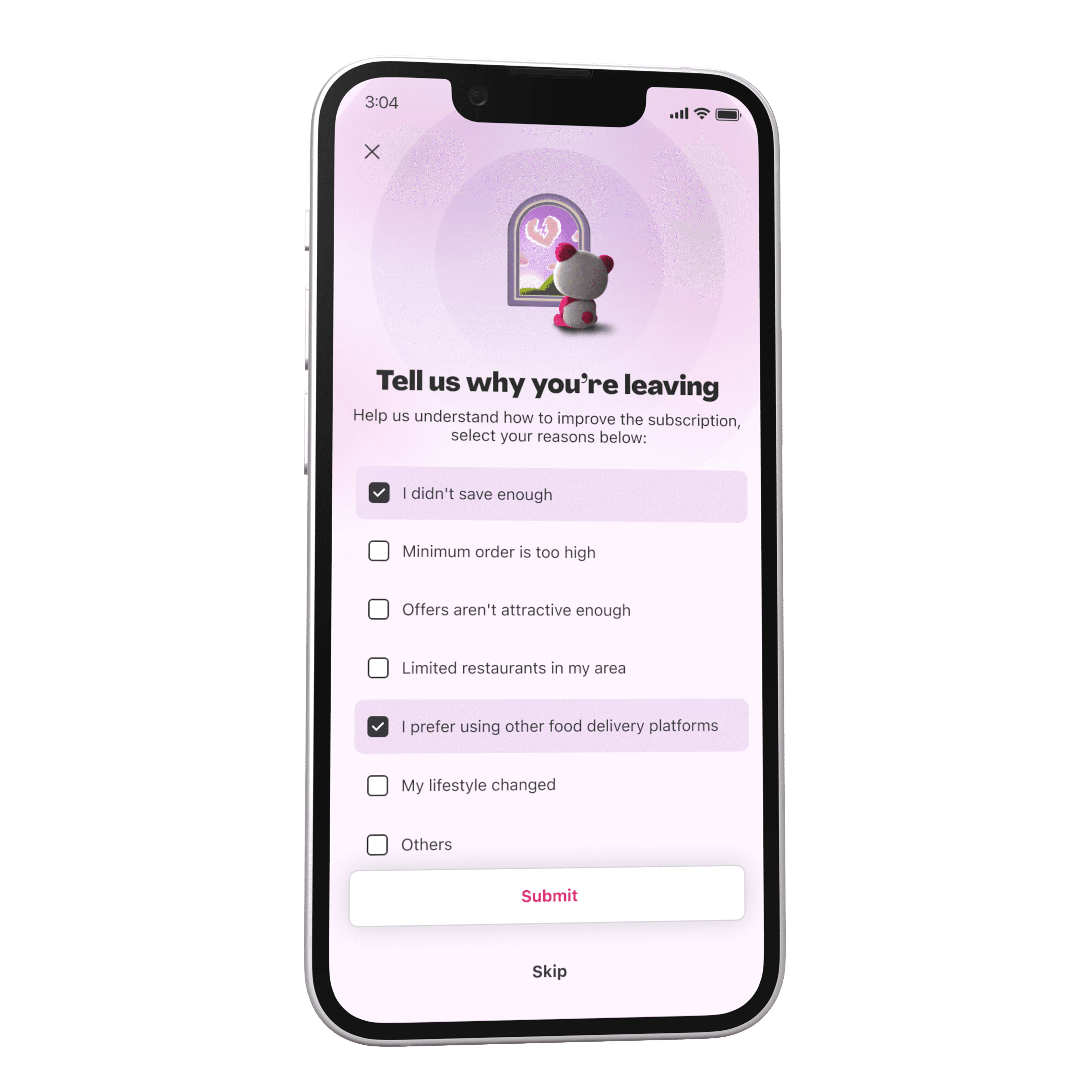
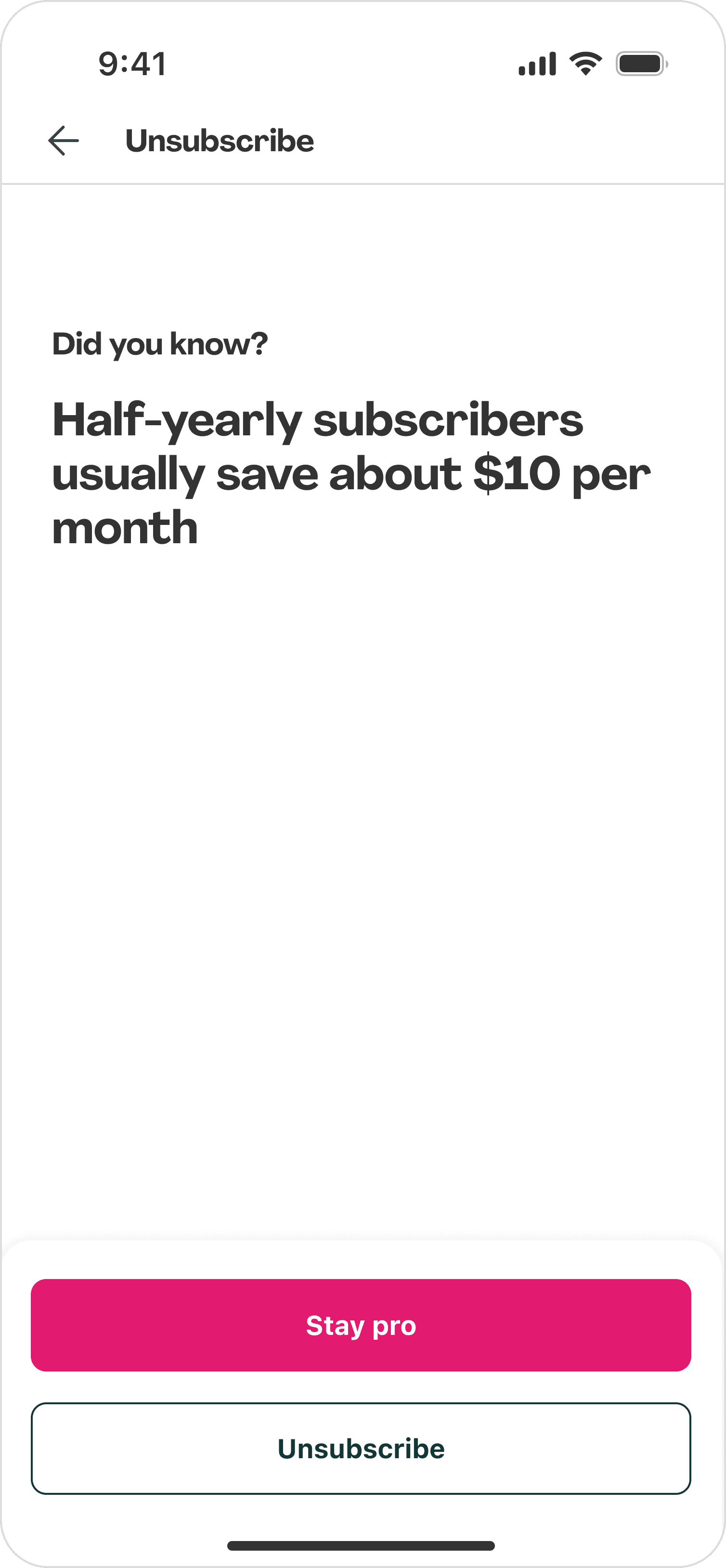
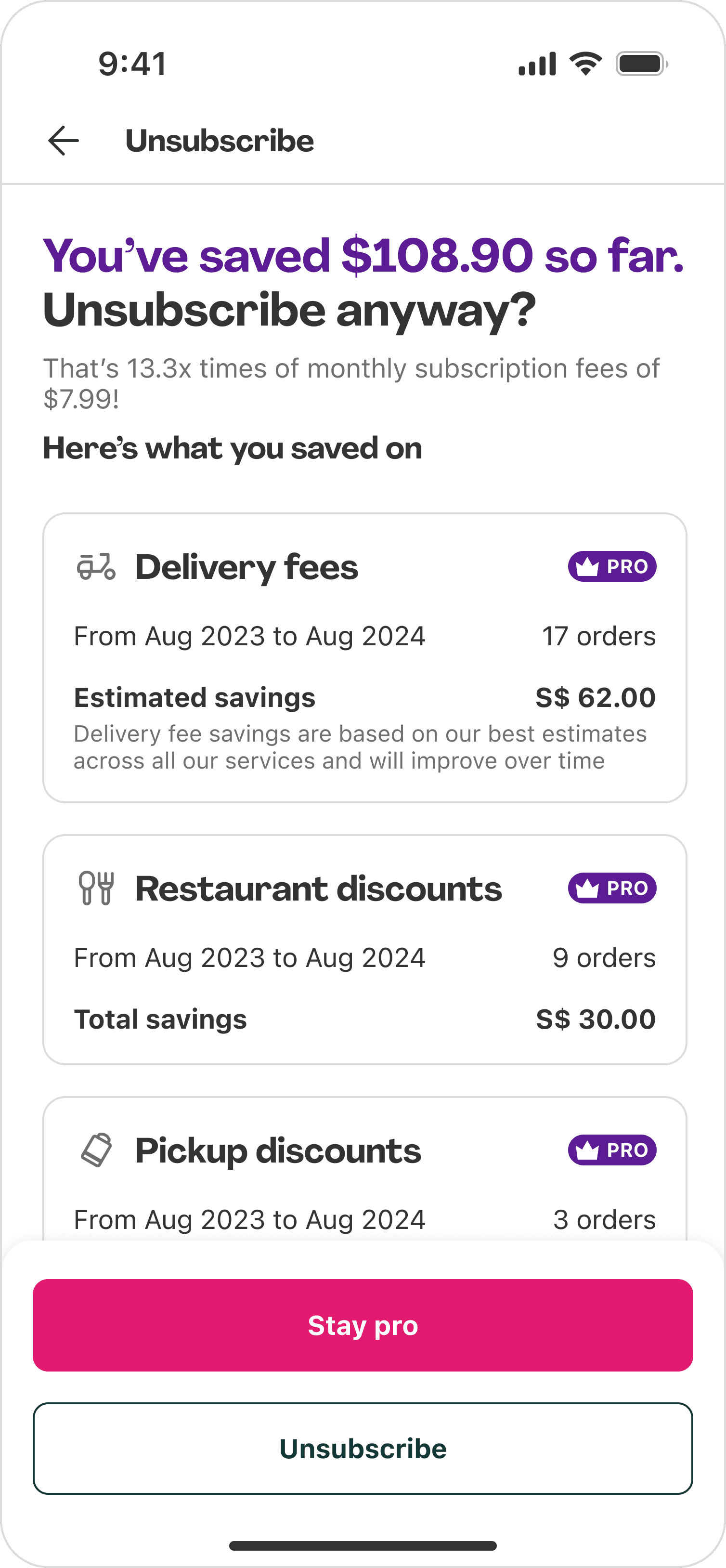
Quick unmoderated usability tests revealed that the current design is boring, lacklustre, and overly text-heavy. It doesn’t support the new branding.
Why should I stay if I don’t use it?
Not all users should be retained, but ~80% of subscribers don’t even give subscription a chance. Most users cancel within the first week even before placing an order that benefits from the subscription.
💡
Users cancel early because they haven’t formed a “value moment” in a short period of time.
❓
Hypothesis
Subscribers cancel too early to see value in the subscription plan
I don’t think I’m saving that much
Long-term users who save multiples of their subscription plan cancel and indicate that they “don’t feel like they’re saving enough”. More concerningly, if these users know they’re frequent users, what can make them stop being so?
💡
Long-term users cancel as they perceive low amount of savings.
❓
Hypothesis
Long-term subscribers cancel as they do not completely understand the value they have acquired from the subscription plan
Exploring a comprehensive unsubscription journey
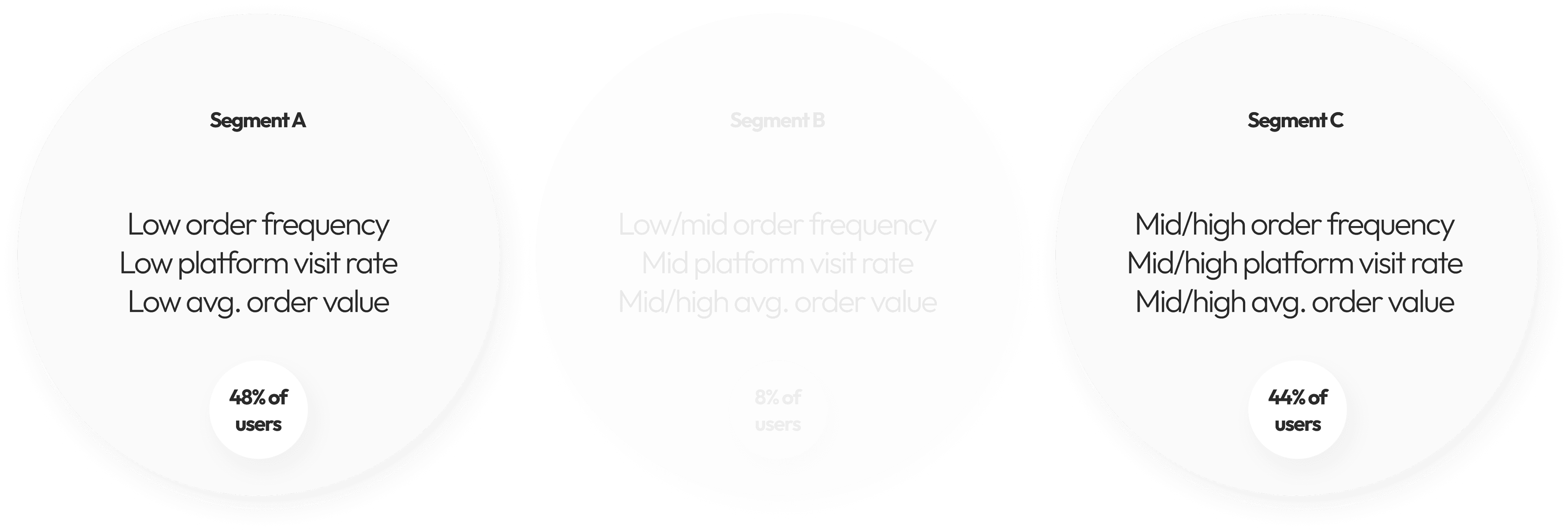
The first set of users were long-term users who were in Segment C.
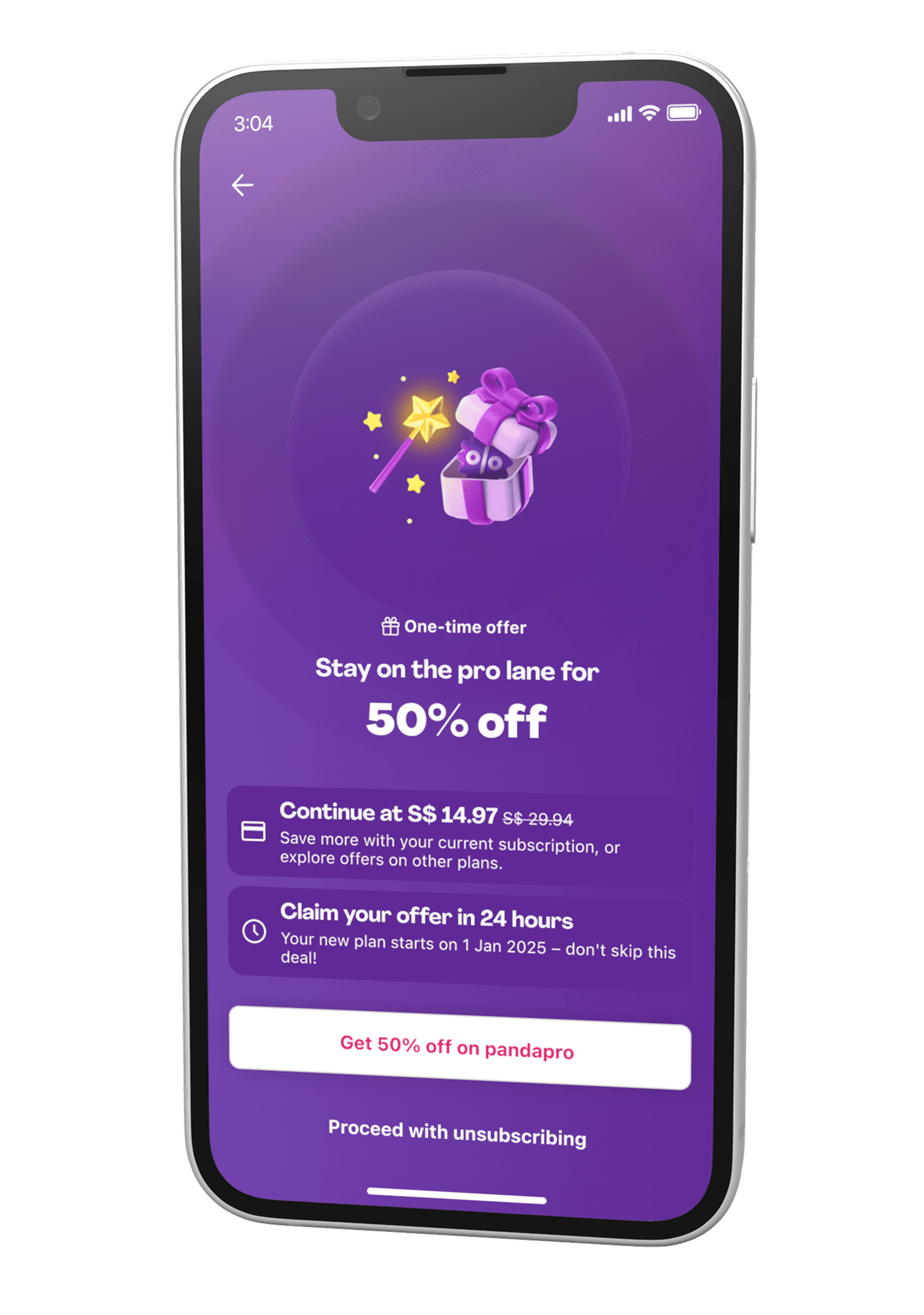
How can these users be convinced to stay? I also proposed an incentive for renewal for ultra high-value users.
This proposed journey was tested with 32 users from APAC and EU.
Results
I tested a long unsubscription journey with 6 steps, each using a different psychology concept to convince the subscriber. This journey was tested with 32 users from APAC and EU.
Observation
Insight
Adding some design magic
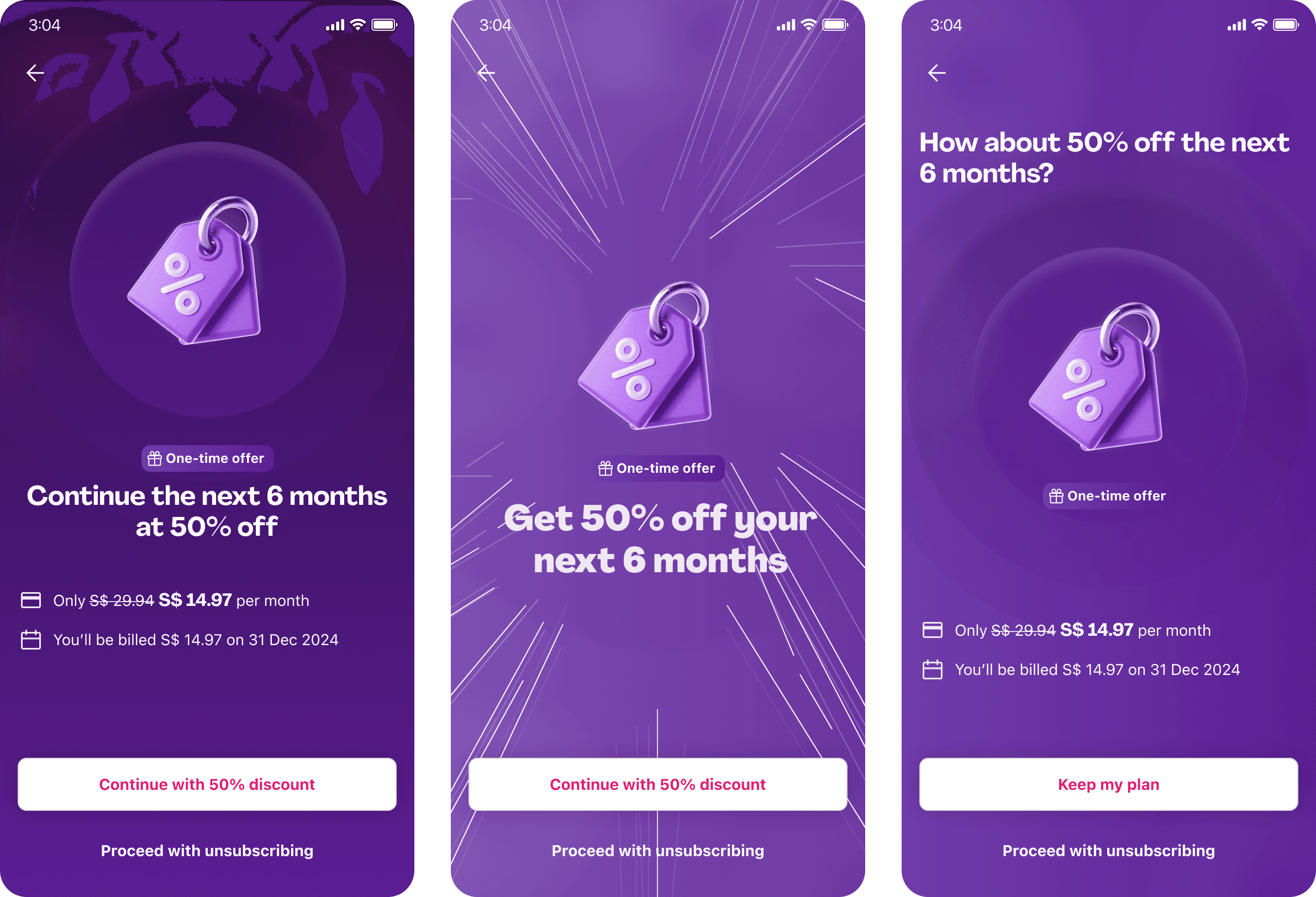
I created a single focal point using circulars and used a variant of gradients and colours to give the page a unique, attention-grabbing UI. It encourages the users to only focus on the main content.
I settled on a simple list-style architecture with a circular focal point.
Conclusion
Impact
12pp decrease in subscriber monthly churn (from 4 out of 10 to 2.8 out of 10)
€18m yearly GMV uplift
Most stakeholders were concerned about the incentive cost (since it was completely company-funded), but diving into data revealed that 5x more users retained when they were unincentivised — these users only saw the breakdown of savings.
Much of the success of this feature could be attributed to the design itself for offering something new, fresh, and engaging to an otherwise blocky and chunky app. Although it challenged the conventional Bauhaus philosophy of the design system, being a self-contained design flow made it easier to collaborate with the design system team. This led to a future, system-wide overhaul of the design system.
© 2026 Andy Chan