🔒 Enter password to unlock
Building a world-class subscription experience by solving user problems to dramatically drive revenue
Q2-3 2025
9 min read
Post-rebrand plateau, revenue stalled as user problems are consistently left unsolved
Partnering with UXR and Analytics, I led the UX team to generate 100+ opportunities. These ideas were filtered, refined, tested, and launched as part of a collection of revenue drivers.
👋🏻
Design Lead
⬆️
~€78m yearly GMV uplift
🤝
CEO approval
🚀
~12% of ideas live in Q1’2026
⬆️
+19% net subscriber increase from Q2
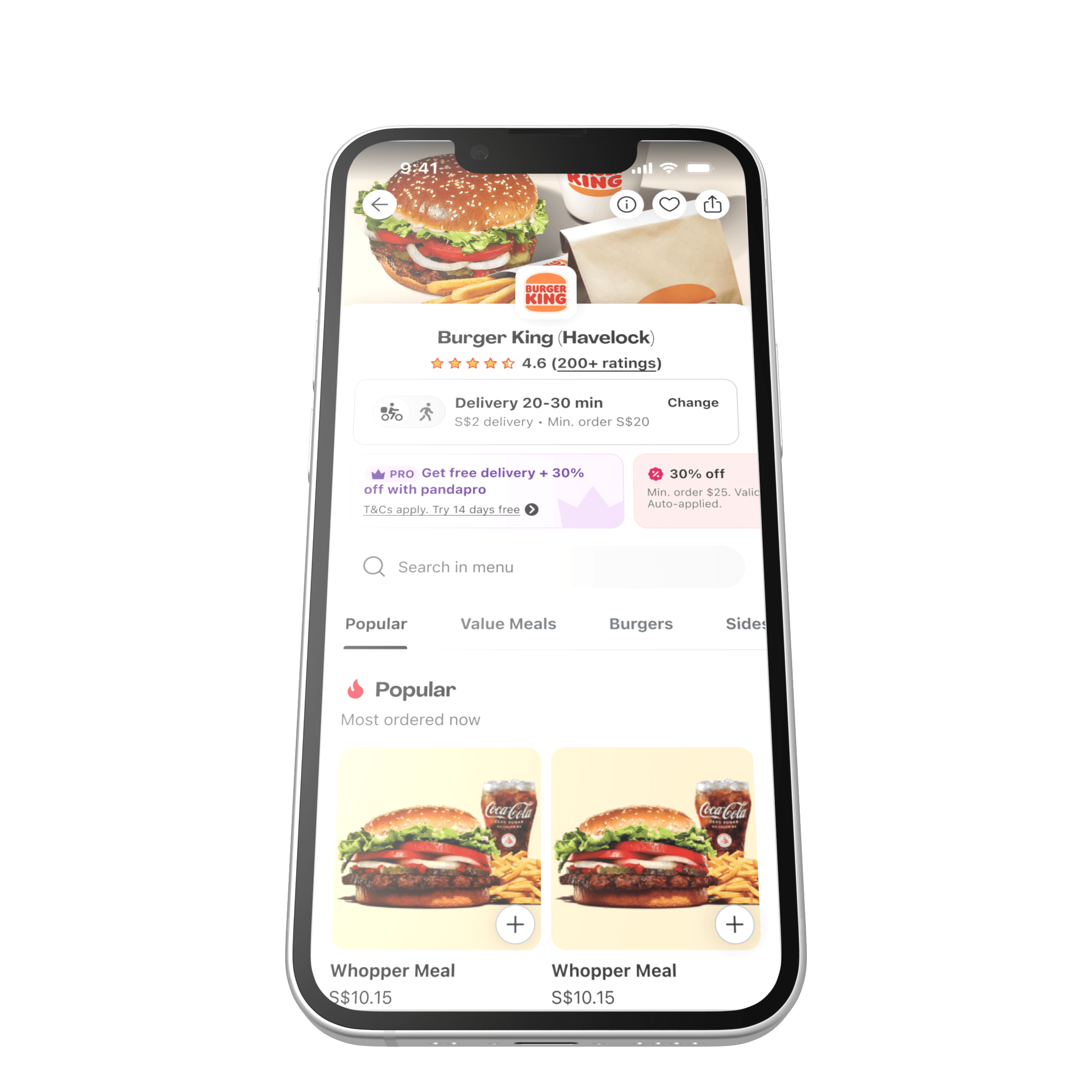
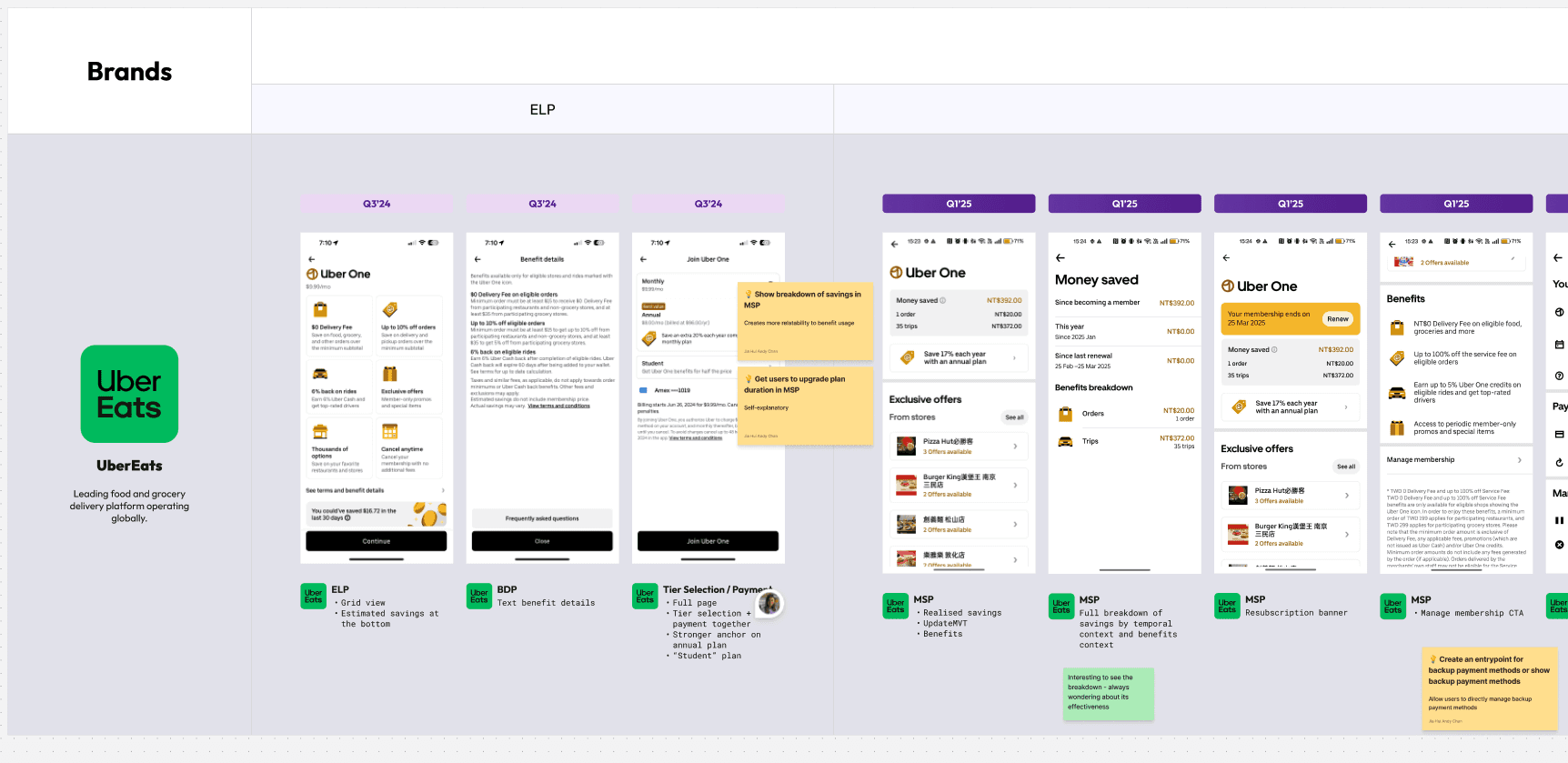

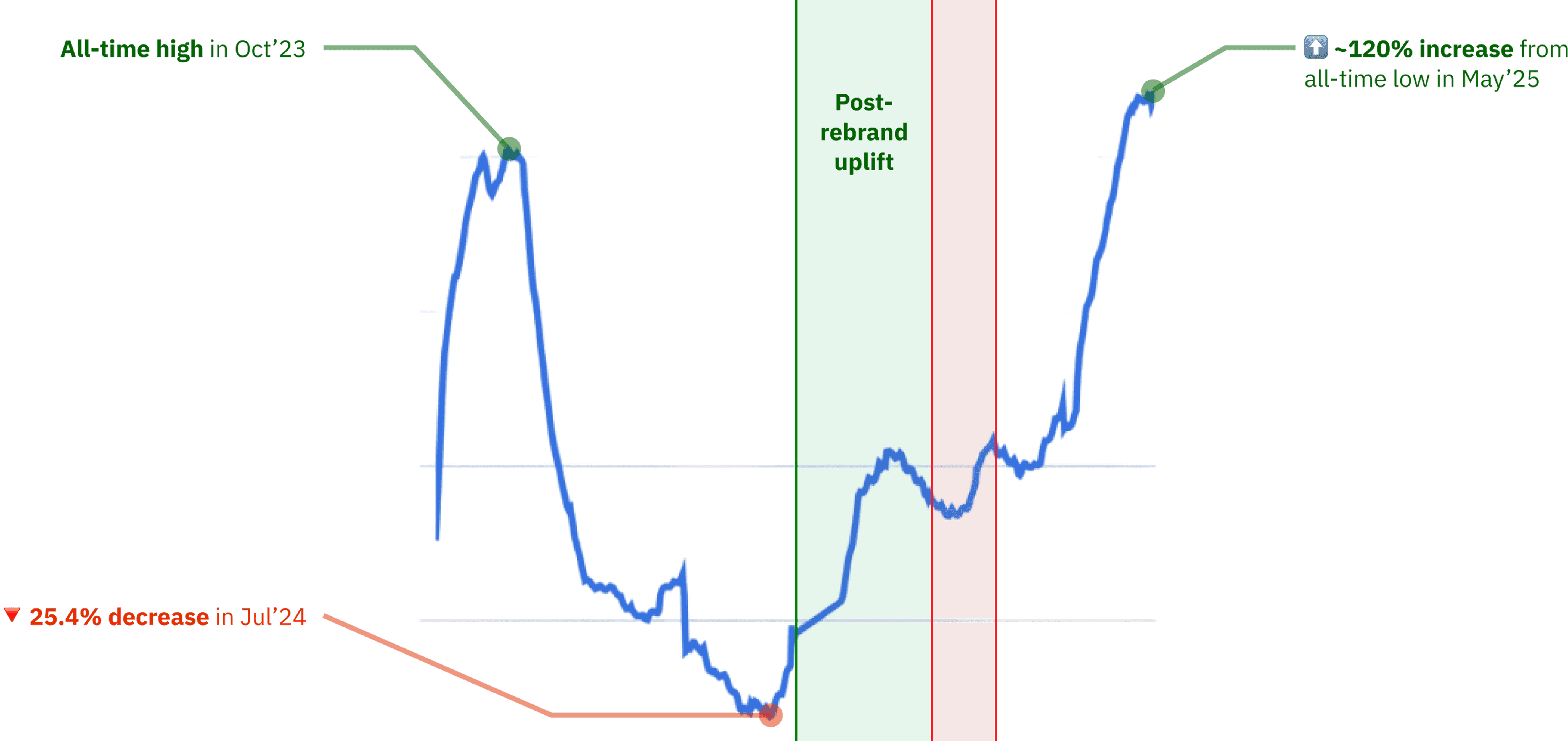
Total net subscribers from Apr 2023 to May 2025. Actual numbers obfuscated. Extracted from Looker Studio.
It's only 4.5%
After a year of revamping, the total subscriber count doubled since YTD, but only 4.5% from the previous all-time high.
Post-revamp growth rates started to dwindle. What can the team do after revamping existing experiences?
❓
How might we use product design to discover opportunities to drive growth rate whilst reducing churn?
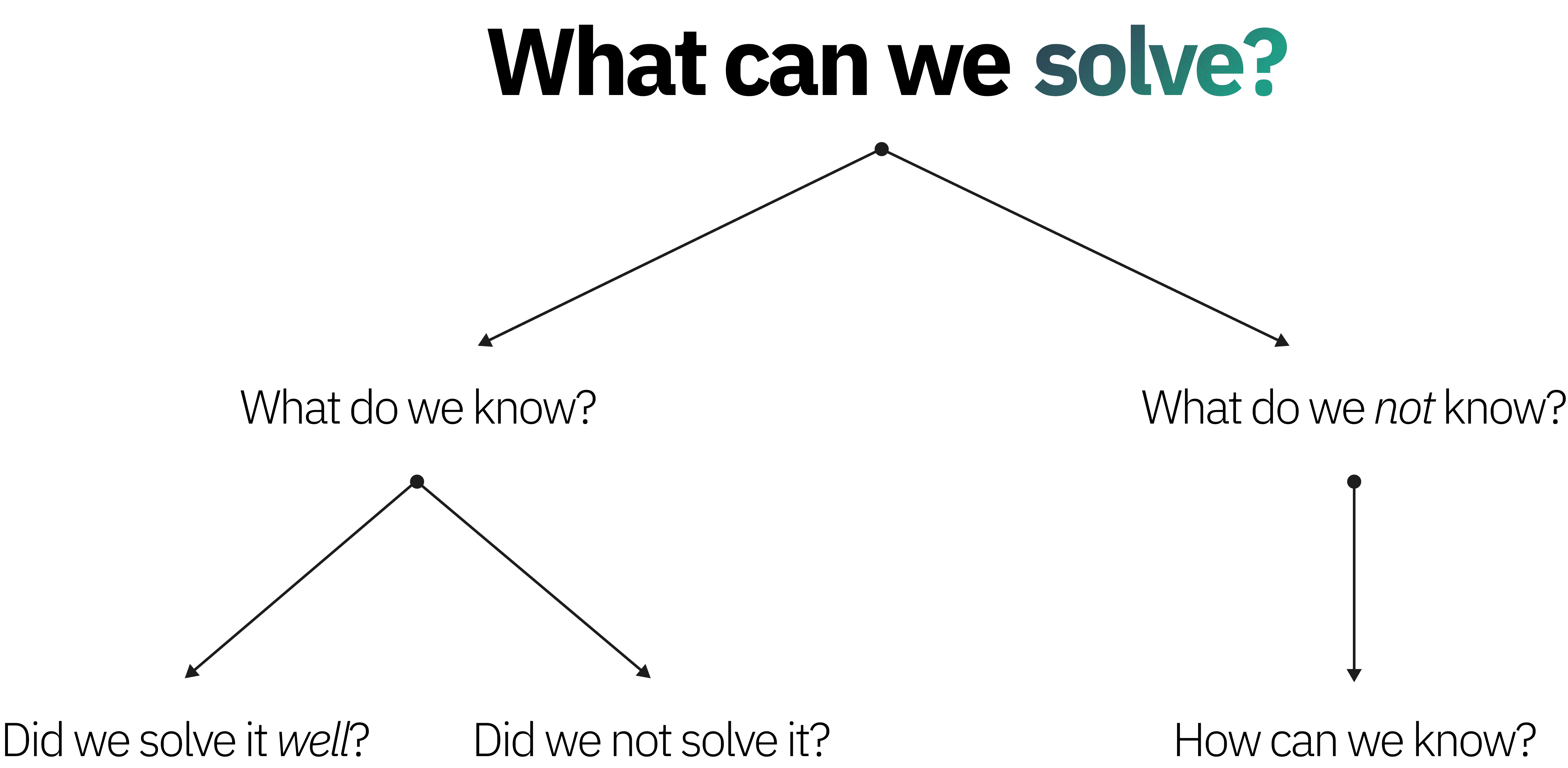
What can we solve?
Framing “what can we do” to “what can we solve” steered my brainstorm towards real user problems. Sure, experiment metrics measured individual feature successes, but does the collective experience solve real user problems? If so, does it do it well?
Contradictions
Instead of a generative, exploratory approach to re-analyse user studies again, I decided to go with a meta-analytical critique apporach.
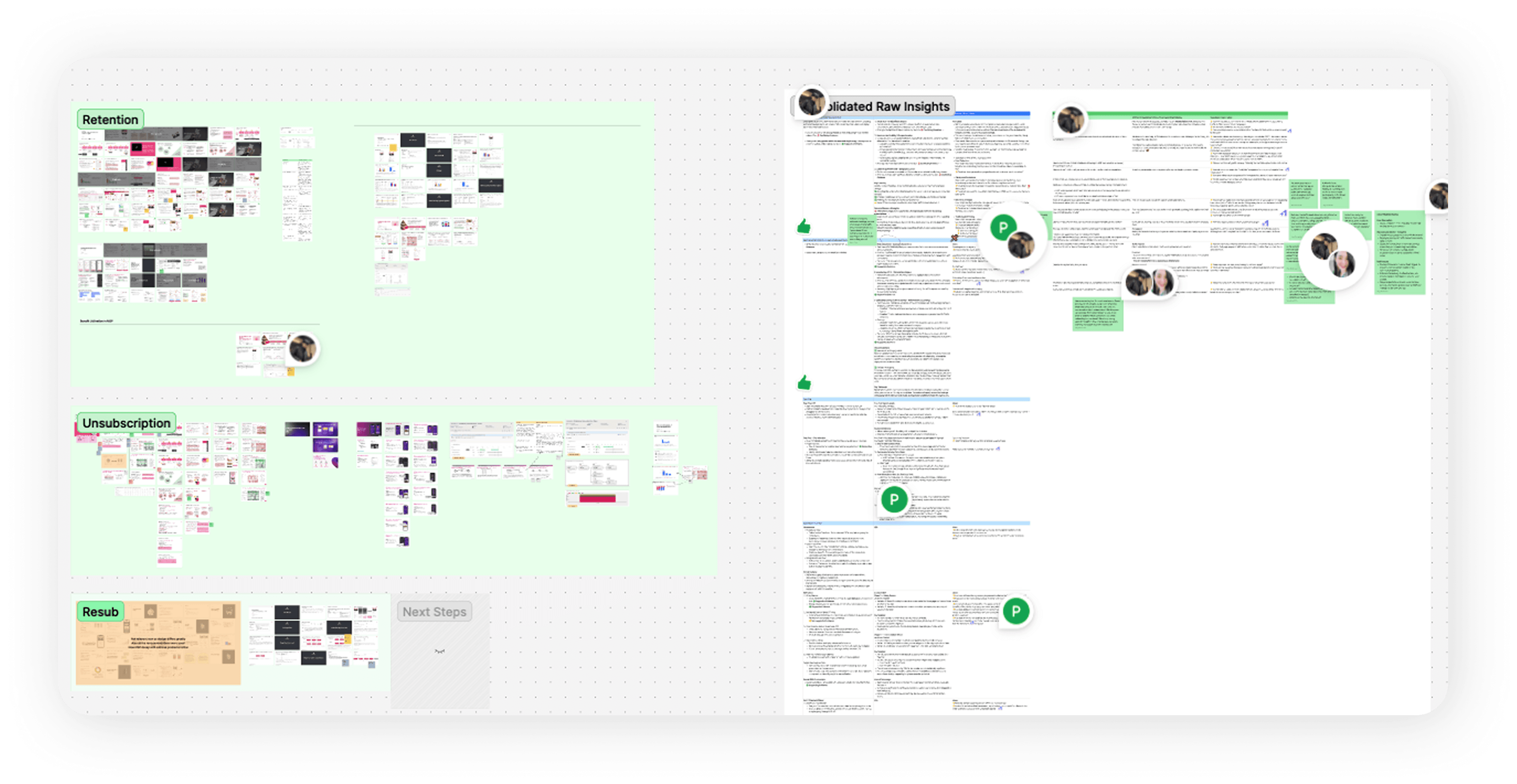
I started by questioning if “insights” from user studies were true. By mapping insights with observations, data, patterns, and A/B tests, it soon became clear whether an insight is corroborated or contradicted.
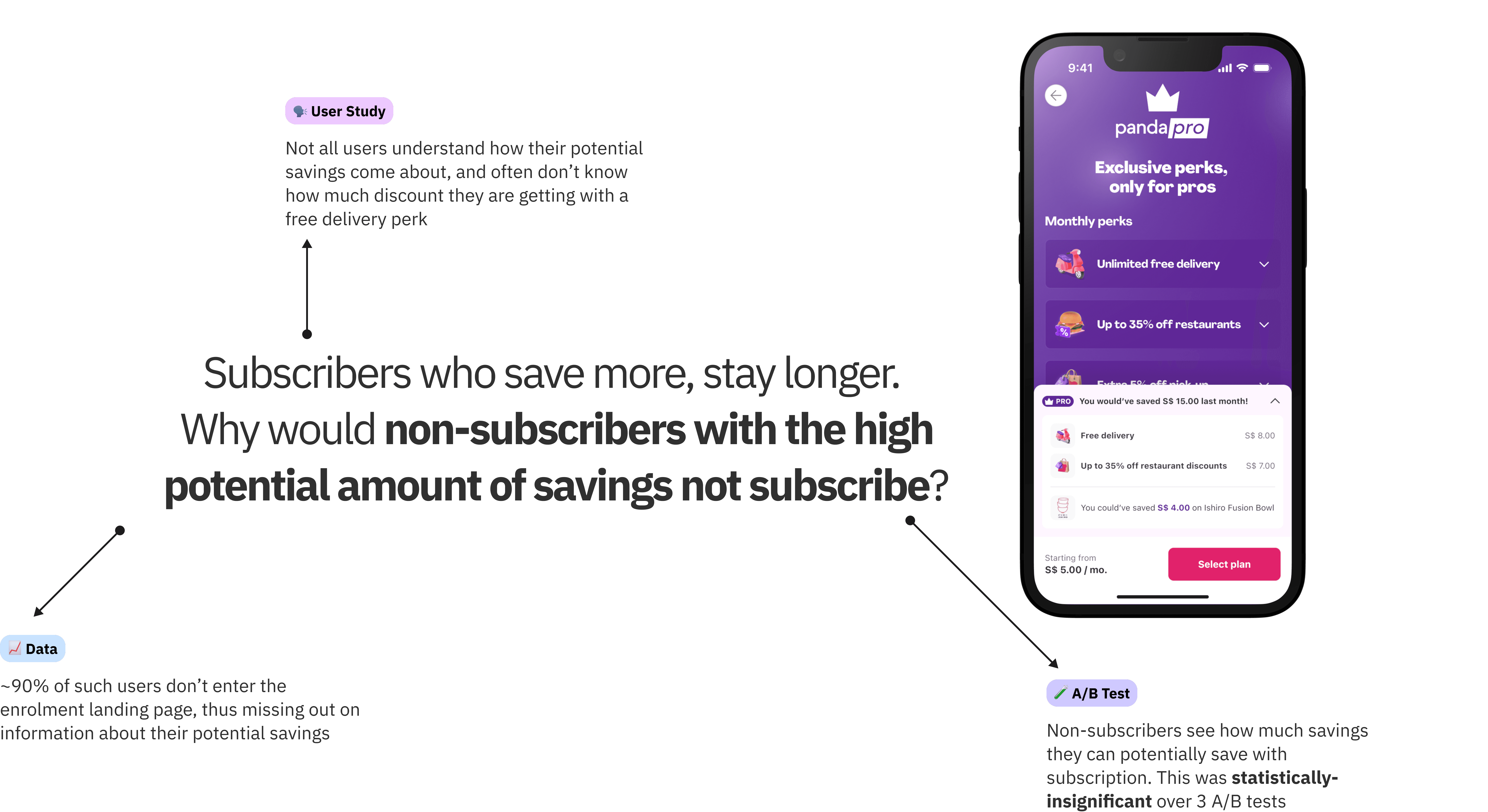
Early analysis revealed that:
Some well-known relationships held true, but the converse or inverse does not
Some well-known relationships were very weakly supported with data and user research, but yet had outsized influence on roadmap
I socialised the findings with design leadership, which allowed me to rally a small team of user researchers and designers to embark on a journey.
The goal? To generate problem statements and opportunities rooted in real user problems.
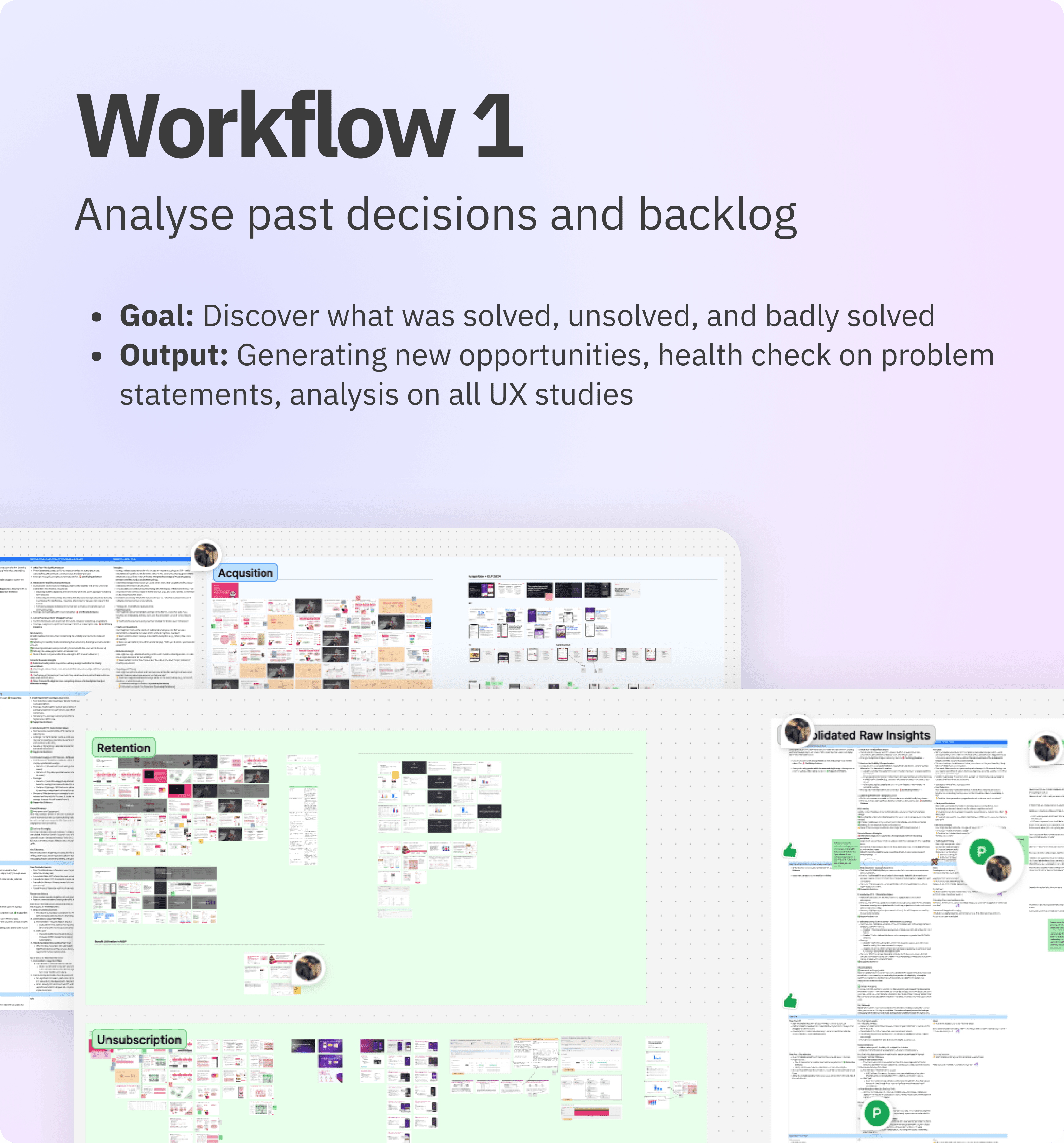
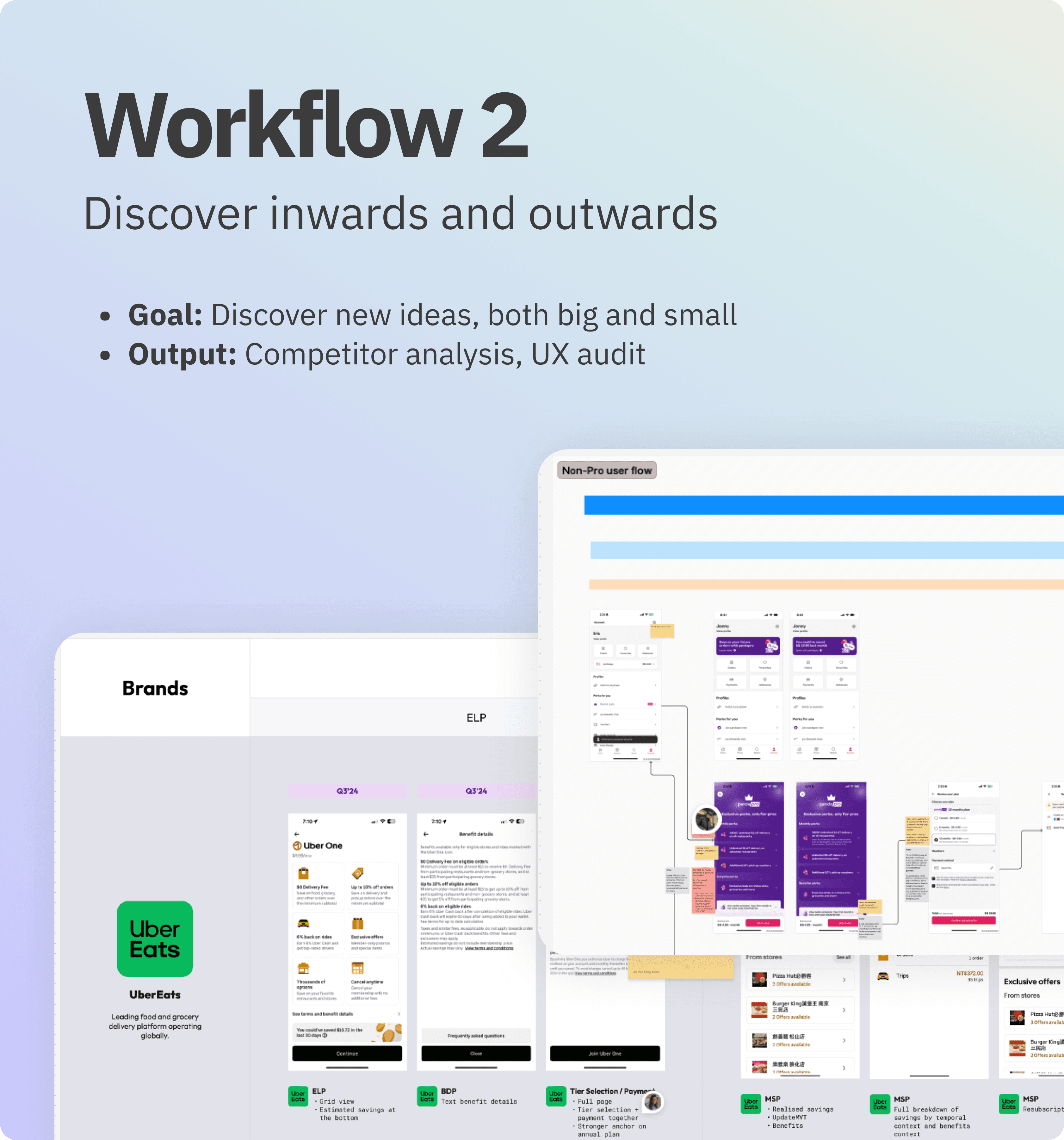
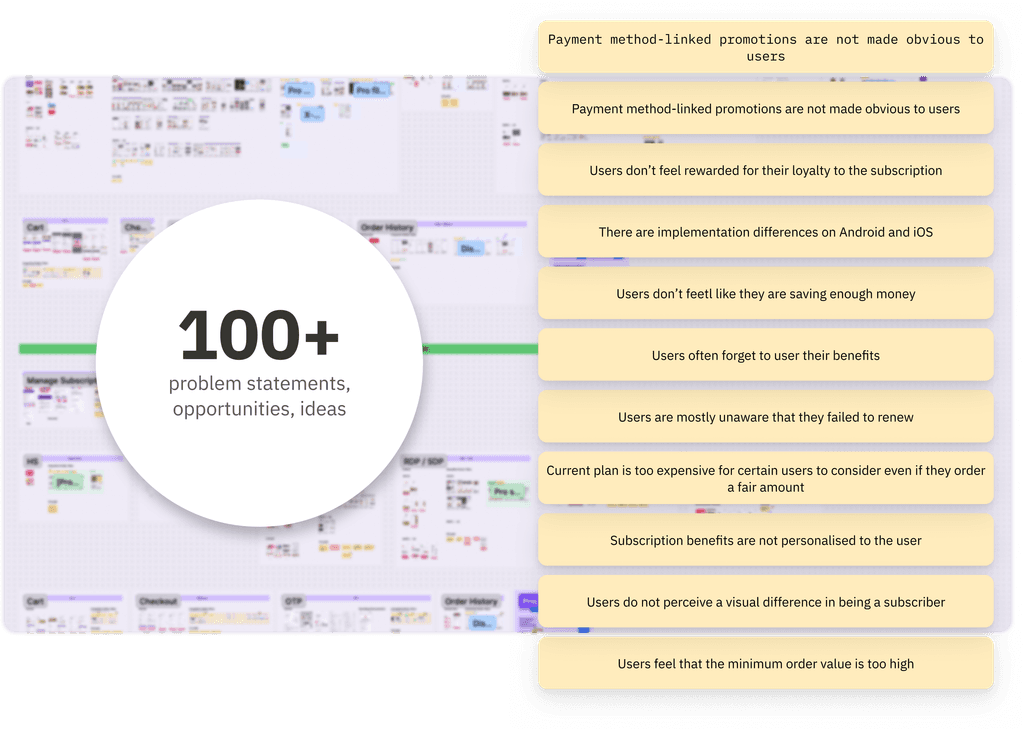
100+ opportunities
With hundreds of opportunities and problem statements, I was sitting on a goldmine. Working on any of the problems will likely positively impact metrics.
So far, it’s still self-contained within the UX team. How can I take this one step further?
Rallying key stakeholders
Rather than reach out to the product and engineering team with problems, I sought to bring ideas instead. Hence, I spent another 2 weeks conceptualising solutions to every problem, reviewed by senior leadership and other designers.
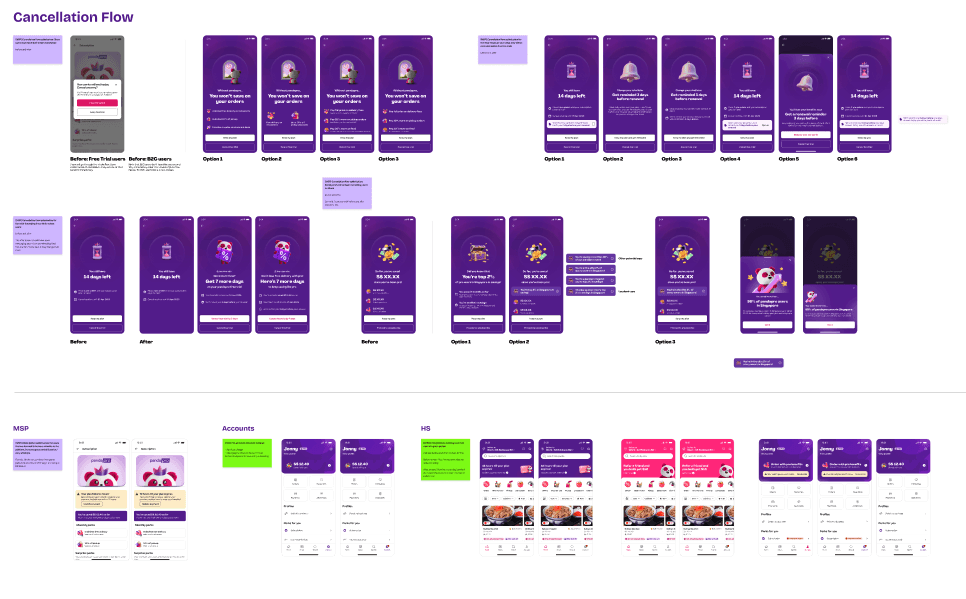
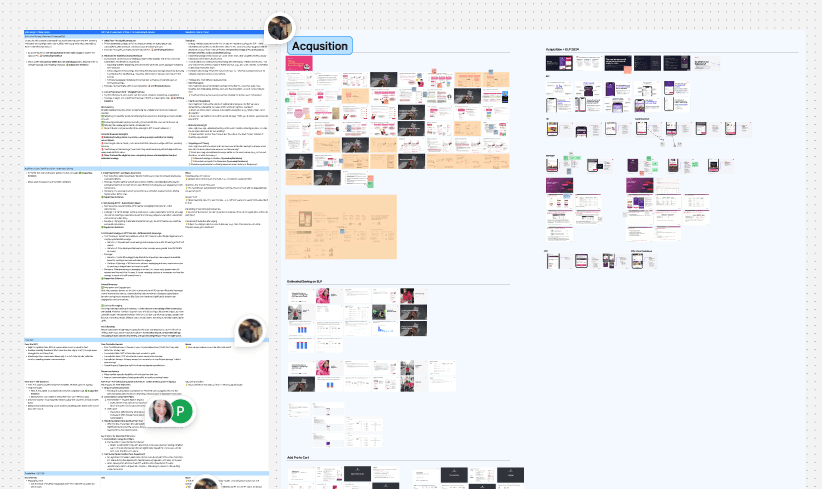
Screenshot of some design ideas.
Ideas were then bucketed in the corresponding subscriber lifecycle stage.
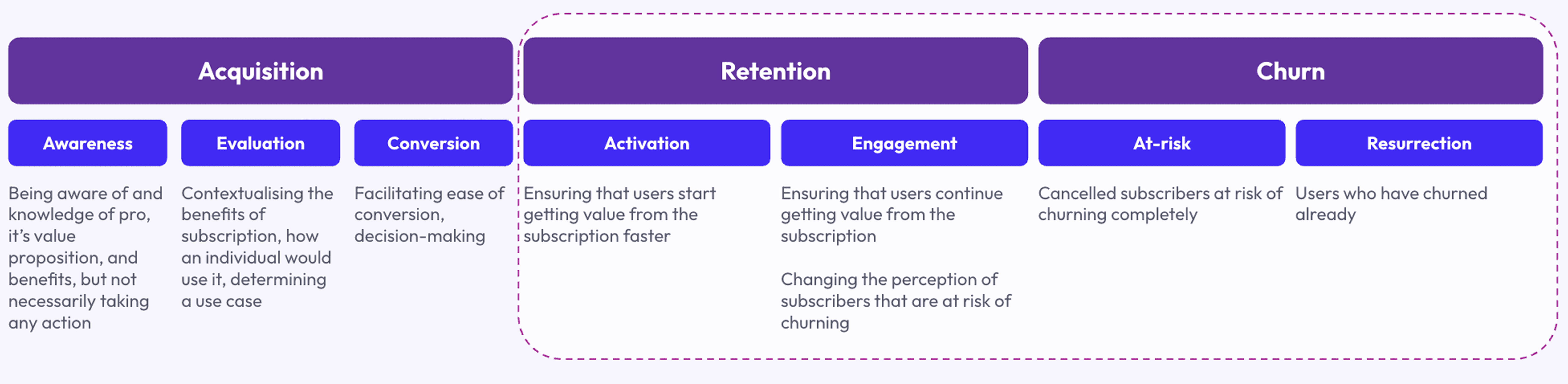
Crafting compelling problems
It was a smash hit — product was ecstatic to ship! With the leads, problem statements were reconstructed to be more focused on the potential business impact.
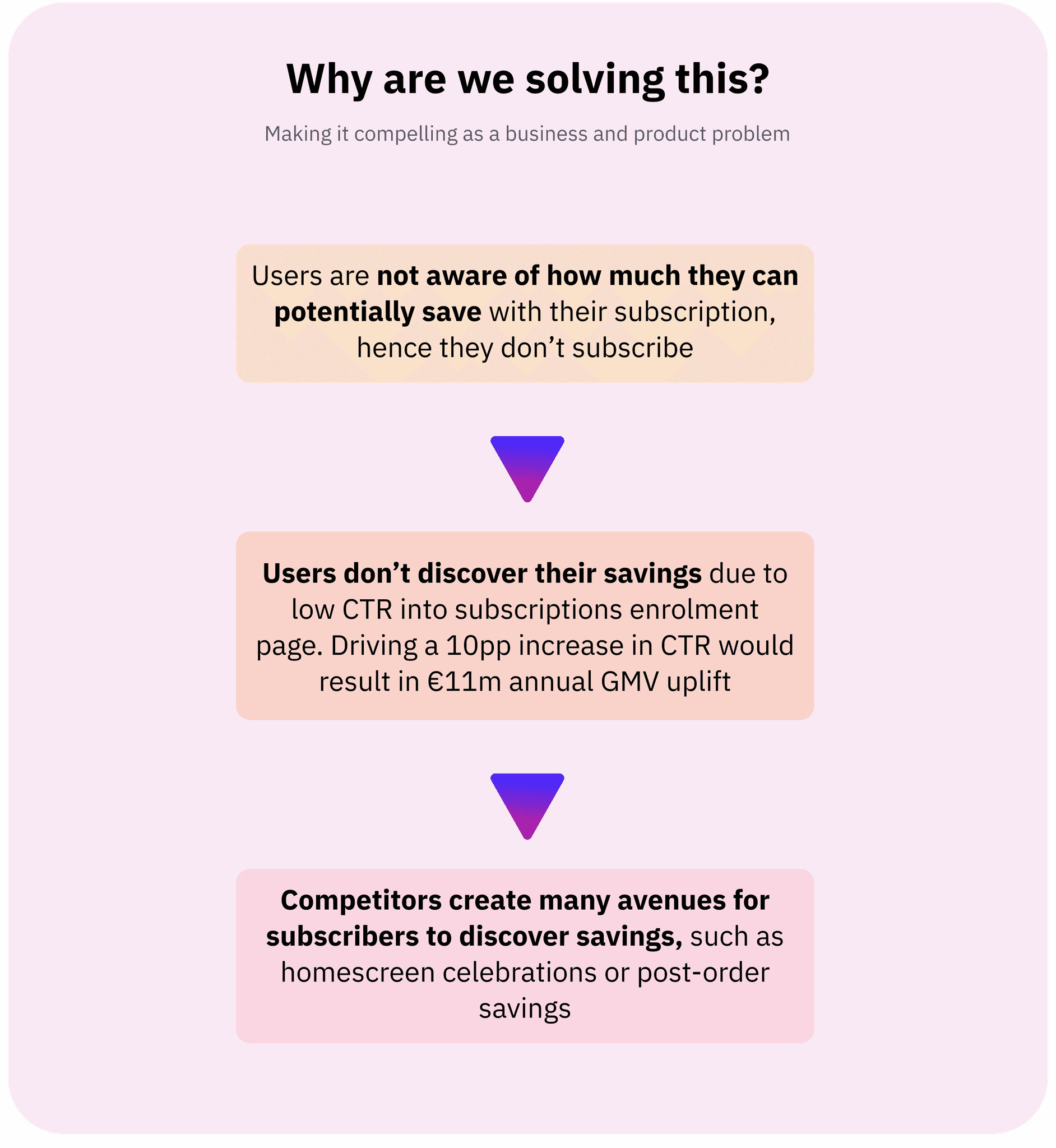
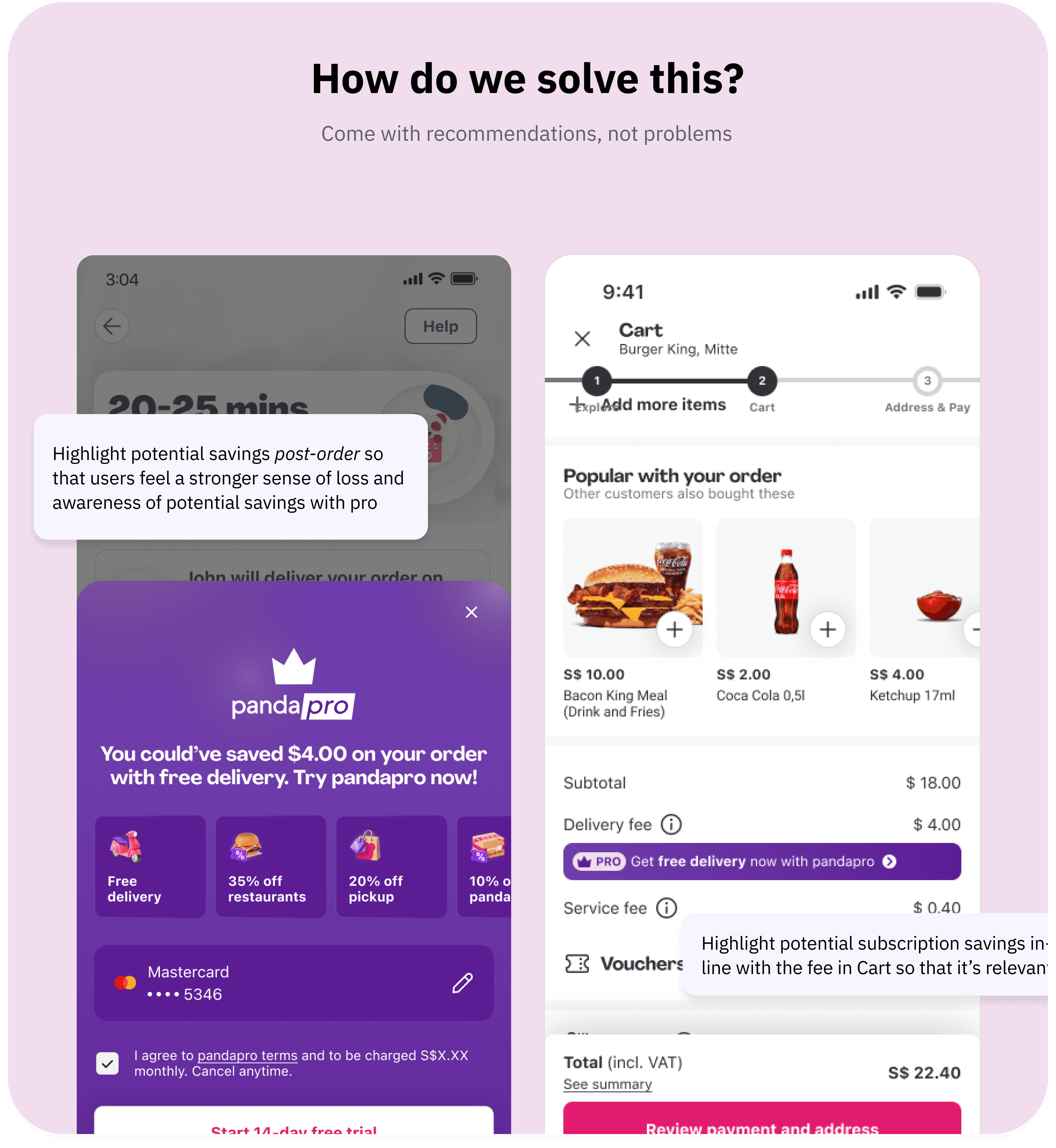
How long will it take to build?
To help with estimations, I also rallied some key engineers (mobile and backend) to provide expert opinion on effort estimations.
The rough estimations of weeks helped product to prioritise better.
Real user problems = real results
Every prioritised features went through the end-to-end design process across Q3 and Q4, solving for different problems. Some involved bigger participation from business, or had to be driven by another team as it’s outside of product design.
What comes first?
Short-term wins were prioritised for Q3 to deliver business wins
Other opportunities were prioritised for long-term discovery, targeted at Q4 launch
Highlights
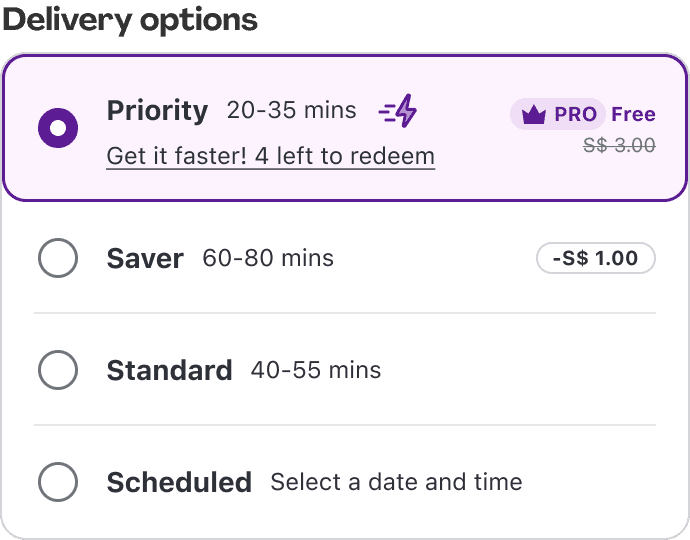
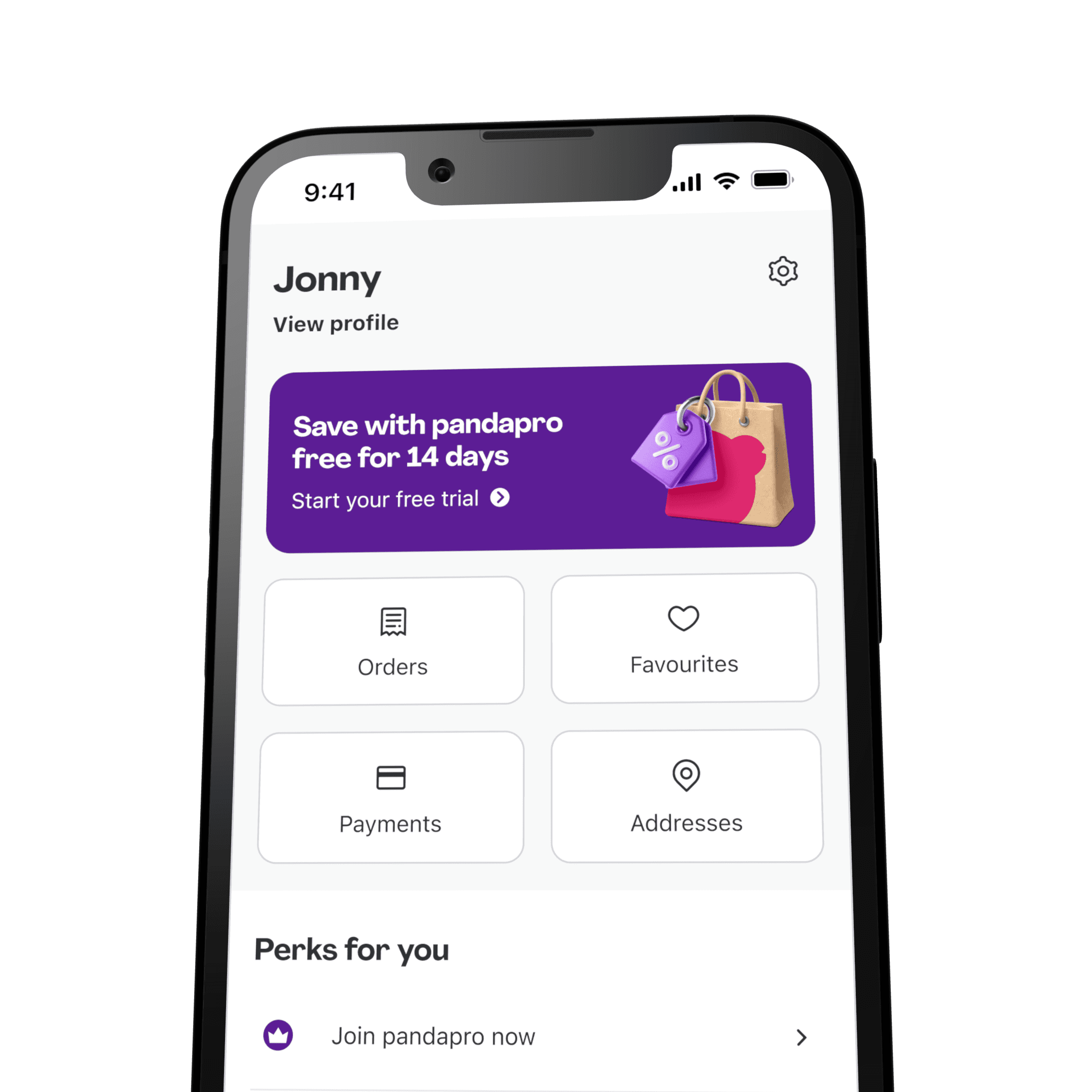
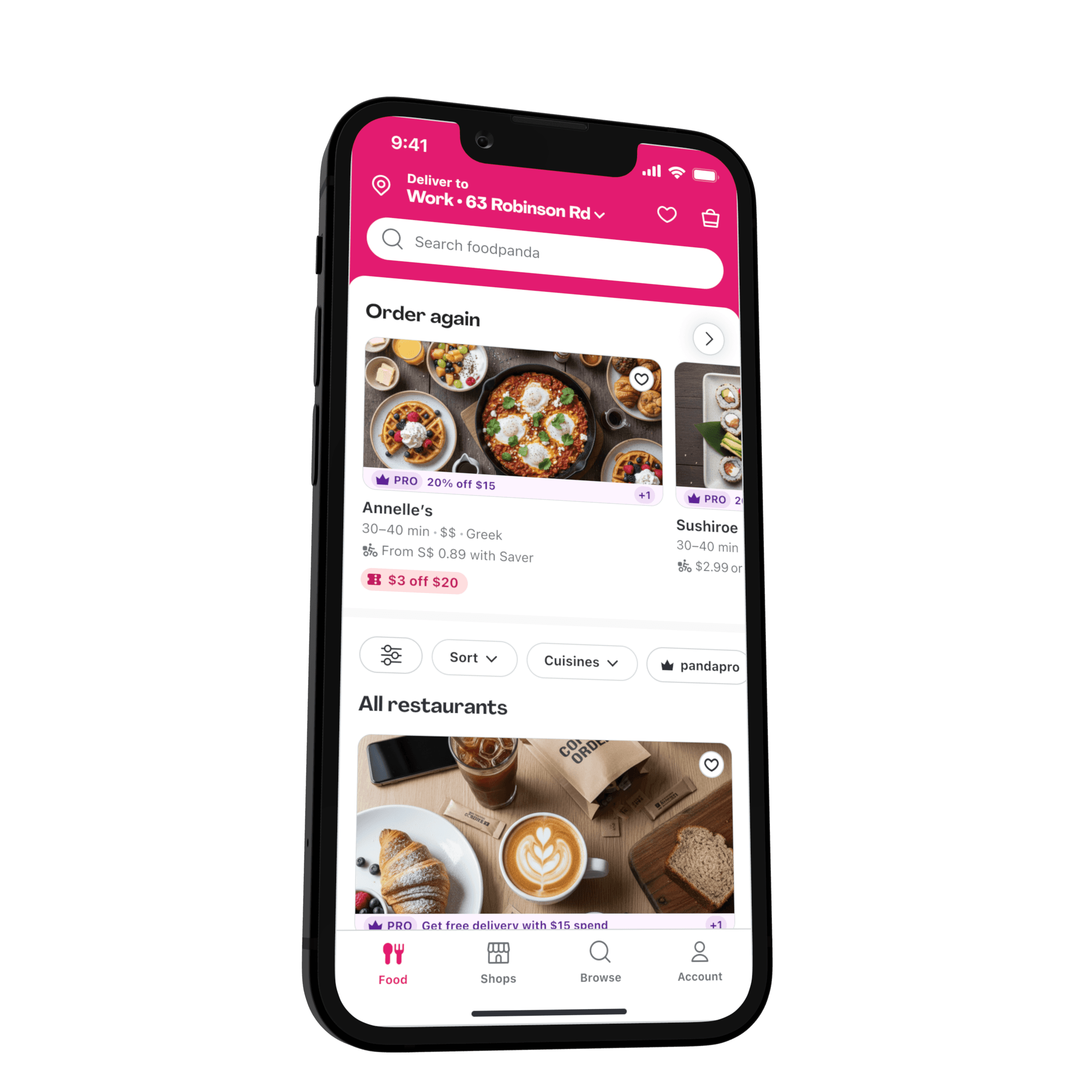
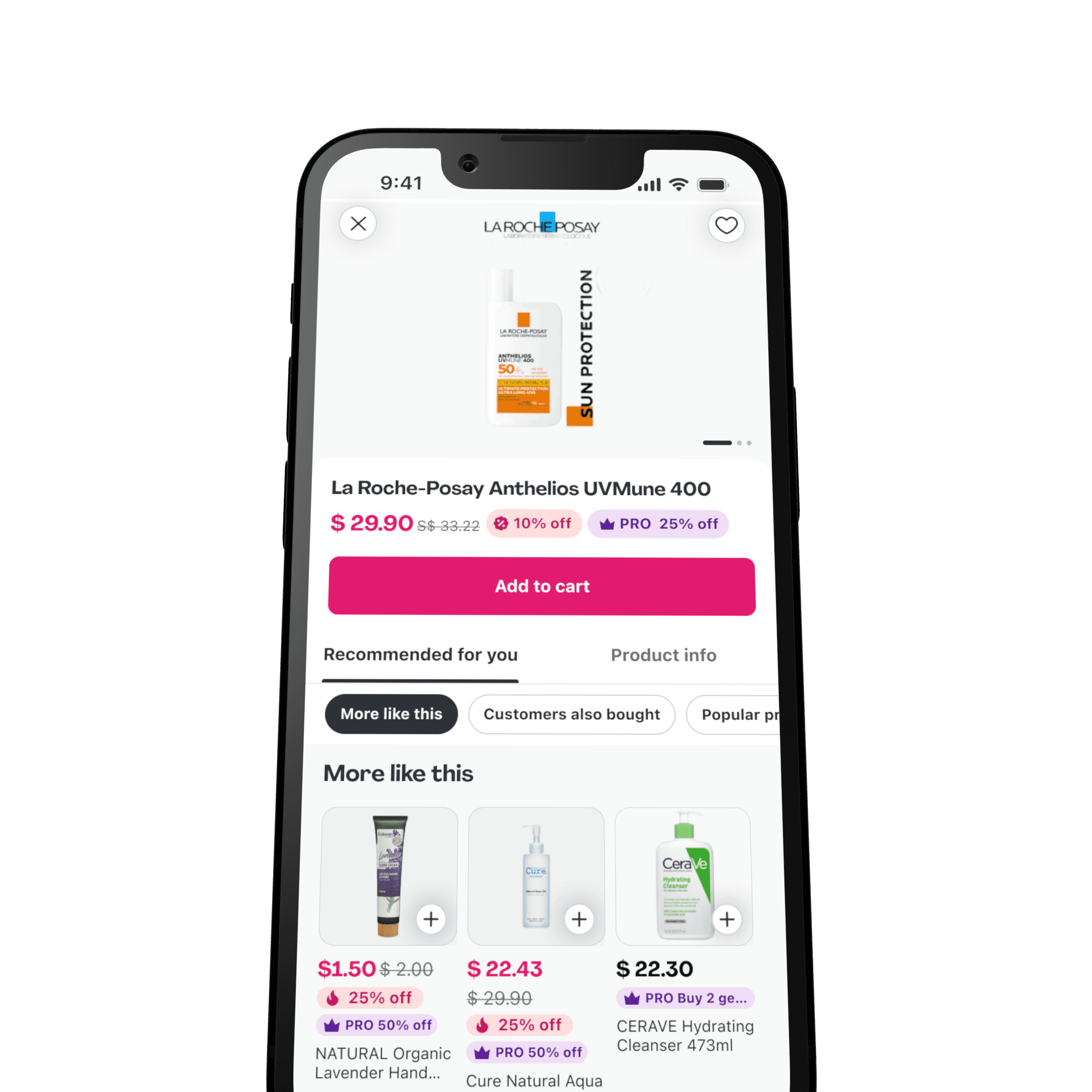
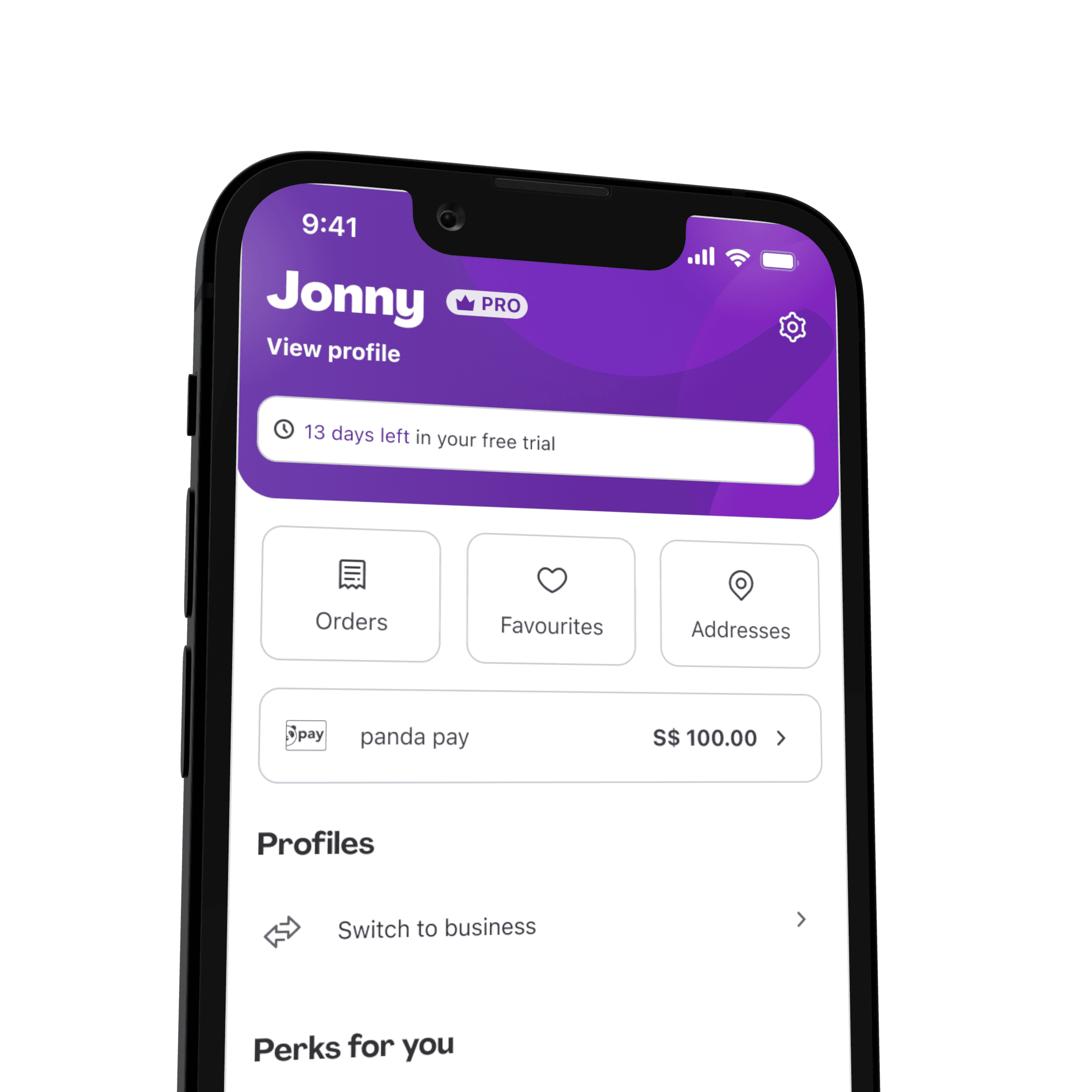
Both short-term and long-term opportunities are featured below. As of writing, all of the features / ideas below are live and are presented in their truest form.


Conclusion
Submarine was born out of constant curiosity on how to make things better: a mindset so valuable in a competitive space like food delivery. Furthermore, passion and effort can be individually sustained but it can be maintained even longer when a team comes together.
This project was the first of its kind in Delivery Hero: a purely UX-driven initiative to empower product development. It challenged existing norms and product culture, whilst also building new pathways towards product betterment. Soon after this project, other products started following suit, asking their designers to also lead discovery initiatives and own parts of the roadmap.
One may argue that designers should hone their craft and seek the best solutions in a problem space, but I'd argue against that by stating that designers are the best-equipped to seek problems in the first place. Perhaps, I had an advantage as a product manager before, but I strongly believe that any designer can and should own parts of the roadmap, contributing to mid-term and long-term goals.
One outcome that I wished I had more control over was the prioritisation, as business and product were more focused on acquisition in the end to deliver quick wins for the year. Unfortunately, many opportunities geared towards retention were shelved, leading to an overweight in acquisition levers.
Impact:
~€78m yearly GMV uplift
+19% net subscriber increase from Q2
Next Steps
Continuous re-evaluation
Ideas should be re-evaluated every quarter to determine it’s relevance. Prioritisation will always change.
Scale within entity
Scale the process across other products to revitalise their roadmap. This is ongoing as of writing.
Scale across entities
Reach out to other entities in Deliveryhero to scale the innovation process and improve on it